The Deep-Voiced Andean Flute
History and Cultural Significance
The Quenacho is a traditional Andean wind instrument, considered a larger and deeper version of the Quena, which is one of the most ancient flutes of South America. The Quenacho originates from the Andean regions of Peru, Bolivia, Argentina, Chile, and Ecuador, where it has been used for centuries in folk music, indigenous ceremonies, and contemporary Andean ensembles.
Like the Quena, the Quenacho is an end-blown flute that produces sound by blowing across a notched mouthpiece at the top. It is commonly used in traditional Andean music, but it has also found a place in modern fusion, world music, and orchestral compositions due to its deep, warm, and resonant tones.
Tone and Sound
The Quenacho’s tone is rich, warm, and deep, with a more mellow and resonant sound than the higher-pitched Quena. It has a breathy, flute-like timbre that evokes nature, tranquility, and nostalgia.
• The Quenacho is typically tuned in G (compared to the Quena, which is usually tuned in C).
• It has a range of about two octaves.
• The lower tones are deep and soft, while the higher register maintains a warm, smooth quality without being too piercing.
• Unlike the sharp attack of metal flutes or recorders, the Quenacho has a rounded, airy sound, making it excellent for expressive melodies and slow, meditative passages.
Because of its size and tuning, the Quenacho is often used for more melancholic, emotional, or introspective melodies compared to the Quena, which is more agile and bright.
Physical Appearance and Construction
• The Quenacho is larger than the Quena, typically measuring 40–50 cm (16–20 inches) in length.
• It is cylindrical, slightly tapering towards the bottom for a better ergonomic grip.
• It has six finger holes on the front and one thumb hole on the back, allowing for chromatic playability through half-covering techniques.
• Traditional Quenachos are made from bamboo, which provides a lightweight yet resonant structure. However, modern versions may also be made of wood, PVC, or even metal for durability and different tonal qualities.
• The notch at the mouthpiece is carefully carved to create the characteristic airy, breathy tone when blown correctly.
• Some Quenachos have decorative carvings, engravings, or burned patterns to enhance their artistic appeal.
Due to its larger size, the Quenacho requires stronger breath control than the Quena, making it more challenging for beginners but rewarding for those seeking deeper, richer tones.
Why is the Quenacho Unique?
1. Deeper Tone – Compared to the Quena, the Quenacho has a warmer, more resonant sound, making it ideal for slow and expressive melodies.
2. Traditional Andean Instrument – It has centuries of history and remains widely used in South American music.
3. Versatile Use – The Quenacho can be played in traditional, folk, world music, and fusion genres, blending well with guitars, pan flutes, and percussion.
4. Cultural and Artistic Appeal – Often handcrafted from bamboo, featuring intricate designs that reflect Andean craftsmanship.
5. Expressive and Meditative Sound – The Quenacho’s breathy and smooth timbre makes it perfect for emotional, nostalgic, or meditative pieces.
The Quenacho is a beautiful and soulful wind instrument that embodies the spirit of the Andes. With its deep, warm tones, handcrafted aesthetic, and strong cultural roots, it is perfect for musicians looking for a more profound and expressive flute. Whether for traditional Andean folk music or modern fusion, the Quenacho is a valuable addition to any wind instrument collection.
Hear it: Quena and Sax Jazz Solos
Flute Jazz with Bansuri, Quena and Soprano Sax
The Deep-Voiced Andean Flute
History and Cultural Significance
The Quenacho is a traditional Andean wind instrument, considered a larger and deeper version of the Quena, which is one of the most ancient flutes of South America. The Quenacho originates from the Andean regions of Peru, Bolivia, Argentina, Chile, and Ecuador, where it has been used for centuries in folk music, indigenous ceremonies, and contemporary Andean ensembles.
Like the Quena, the Quenacho is an end-blown flute that produces sound by blowing across a notched mouthpiece at the top. It is commonly used in traditional Andean music, but it has also found a place in modern fusion, world music, and orchestral compositions due to its deep, warm, and resonant tones.
Tone and Sound
The Quenacho’s tone is rich, warm, and deep, with a more mellow and resonant sound than the higher-pitched Quena. It has a breathy, flute-like timbre that evokes nature, tranquility, and nostalgia.
• The Quenacho is typically tuned in G (compared to the Quena, which is usually tuned in C).
• It has a range of about two octaves.
• The lower tones are deep and soft, while the higher register maintains a warm, smooth quality without being too piercing.
• Unlike the sharp attack of metal flutes or recorders, the Quenacho has a rounded, airy sound, making it excellent for expressive melodies and slow, meditative passages.
Because of its size and tuning, the Quenacho is often used for more melancholic, emotional, or introspective melodies compared to the Quena, which is more agile and bright.
Physical Appearance and Construction
• The Quenacho is larger than the Quena, typically measuring 40–50 cm (16–20 inches) in length.
• It is cylindrical, slightly tapering towards the bottom for a better ergonomic grip.
• It has six finger holes on the front and one thumb hole on the back, allowing for chromatic playability through half-covering techniques.
• Traditional Quenachos are made from bamboo, which provides a lightweight yet resonant structure. However, modern versions may also be made of wood, PVC, or even metal for durability and different tonal qualities.
• The notch at the mouthpiece is carefully carved to create the characteristic airy, breathy tone when blown correctly.
• Some Quenachos have decorative carvings, engravings, or burned patterns to enhance their artistic appeal.
Due to its larger size, the Quenacho requires stronger breath control than the Quena, making it more challenging for beginners but rewarding for those seeking deeper, richer tones.
Why is the Quenacho Unique?
1. Deeper Tone – Compared to the Quena, the Quenacho has a warmer, more resonant sound, making it ideal for slow and expressive melodies.
2. Traditional Andean Instrument – It has centuries of history and remains widely used in South American music.
3. Versatile Use – The Quenacho can be played in traditional, folk, world music, and fusion genres, blending well with guitars, pan flutes, and percussion.
4. Cultural and Artistic Appeal – Often handcrafted from bamboo, featuring intricate designs that reflect Andean craftsmanship.
5. Expressive and Meditative Sound – The Quenacho’s breathy and smooth timbre makes it perfect for emotional, nostalgic, or meditative pieces.
The Quenacho is a beautiful and soulful wind instrument that embodies the spirit of the Andes. With its deep, warm tones, handcrafted aesthetic, and strong cultural roots, it is perfect for musicians looking for a more profound and expressive flute. Whether for traditional Andean folk music or modern fusion, the Quenacho is a valuable addition to any wind instrument collection.
Hear it: Quena and Sax Jazz Solos
Flute Jazz with Bansuri, Quena and Soprano Sax

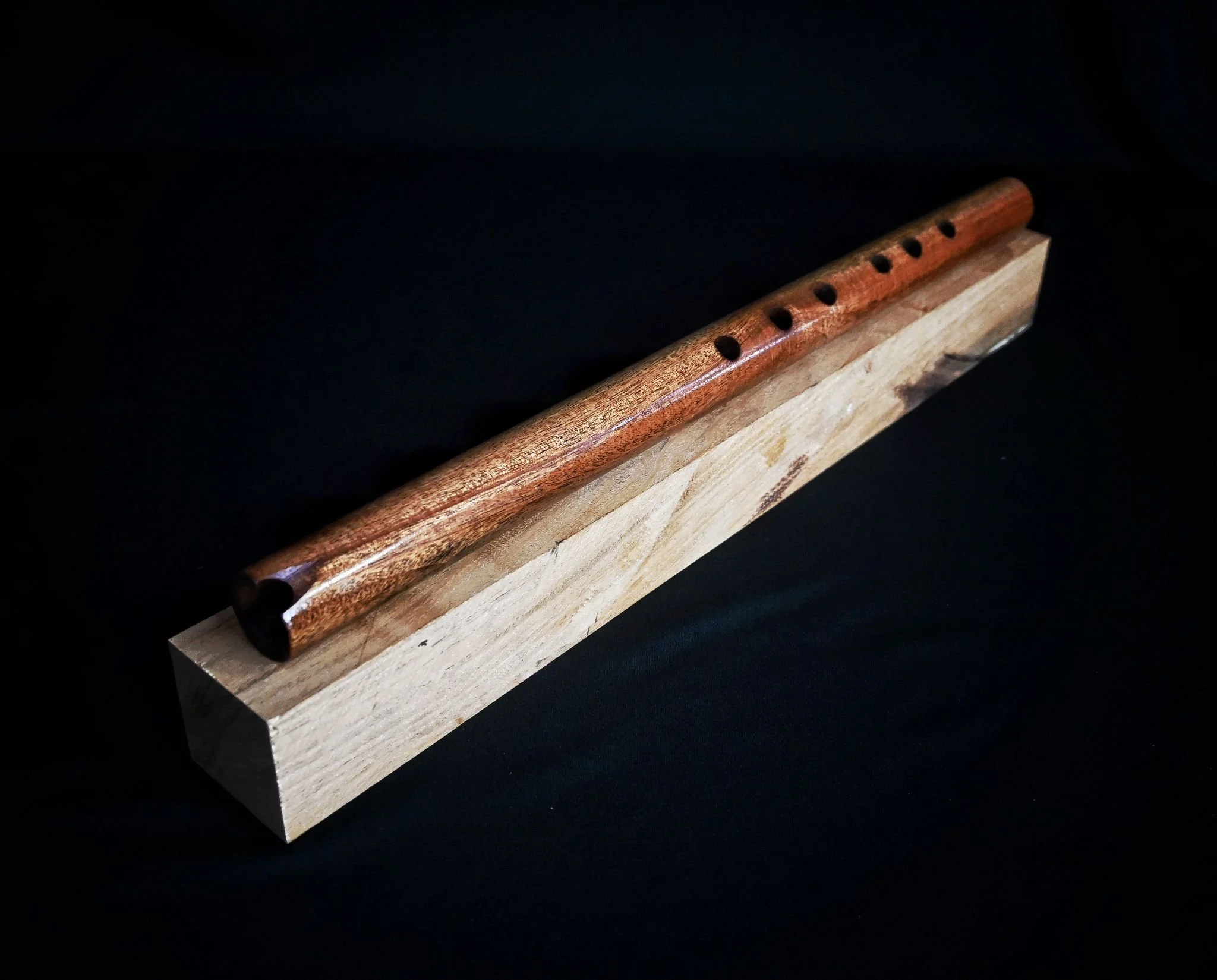 Image 1 of 5
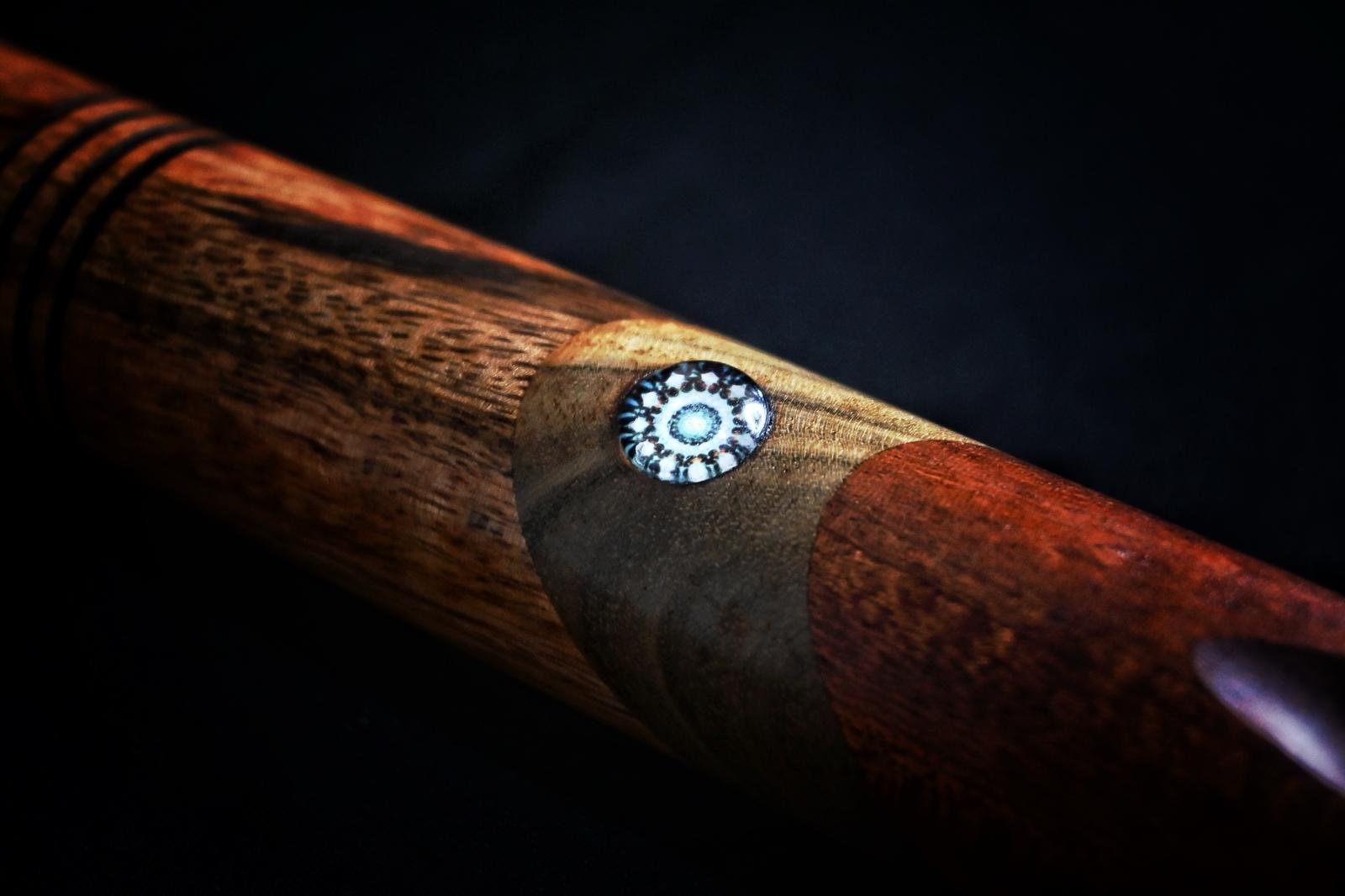 Image 2 of 5
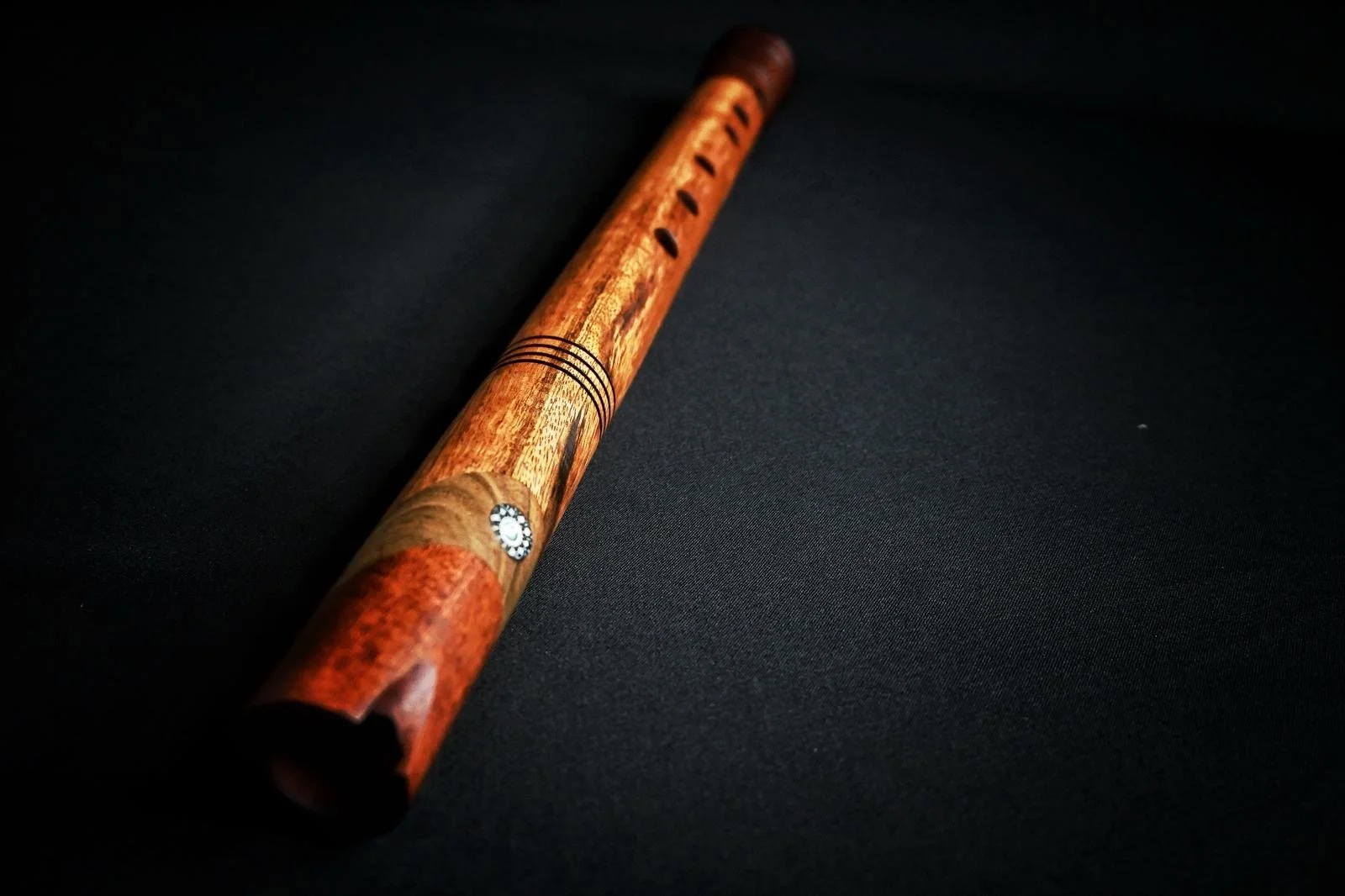 Image 3 of 5
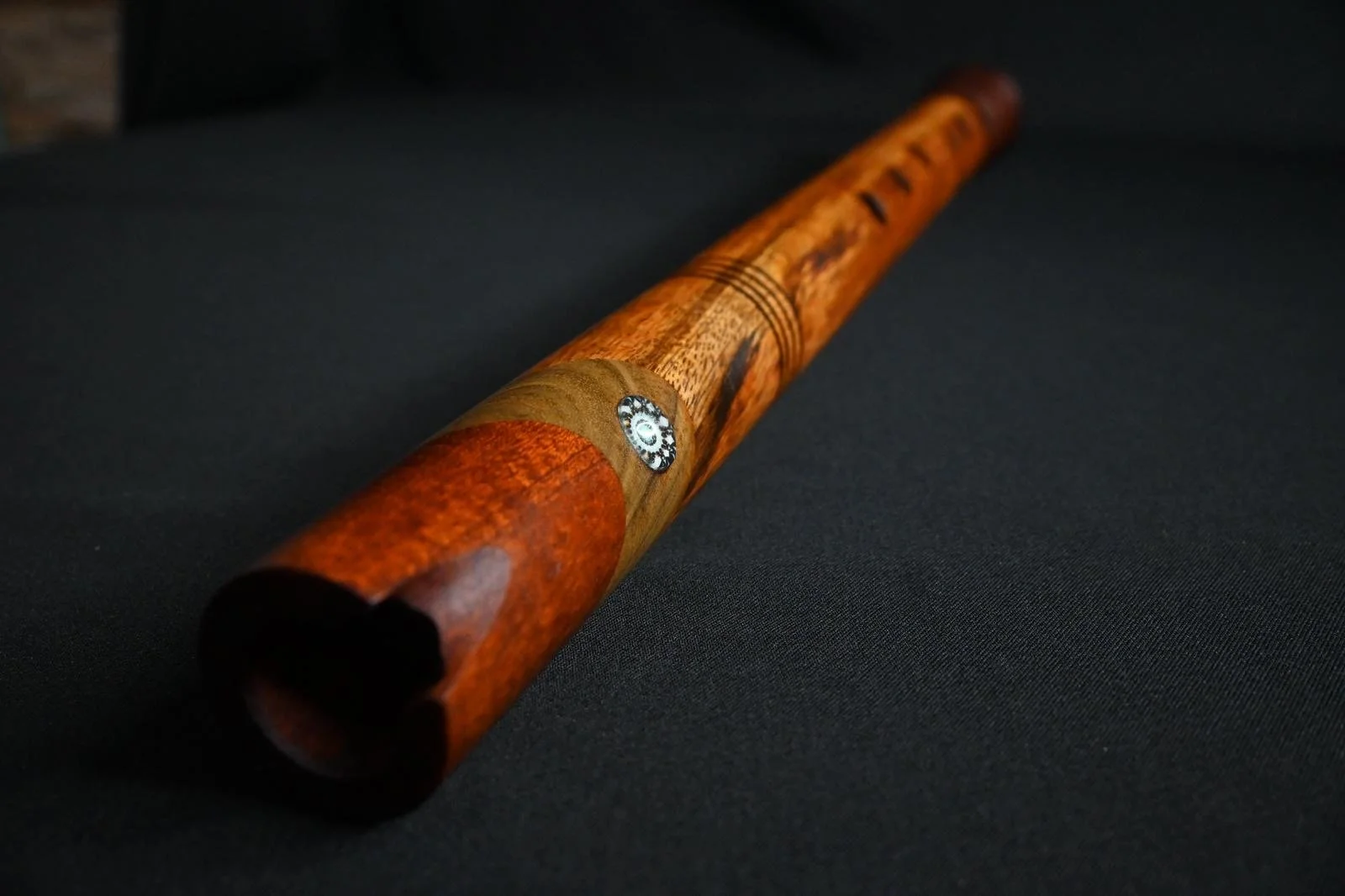 Image 4 of 5
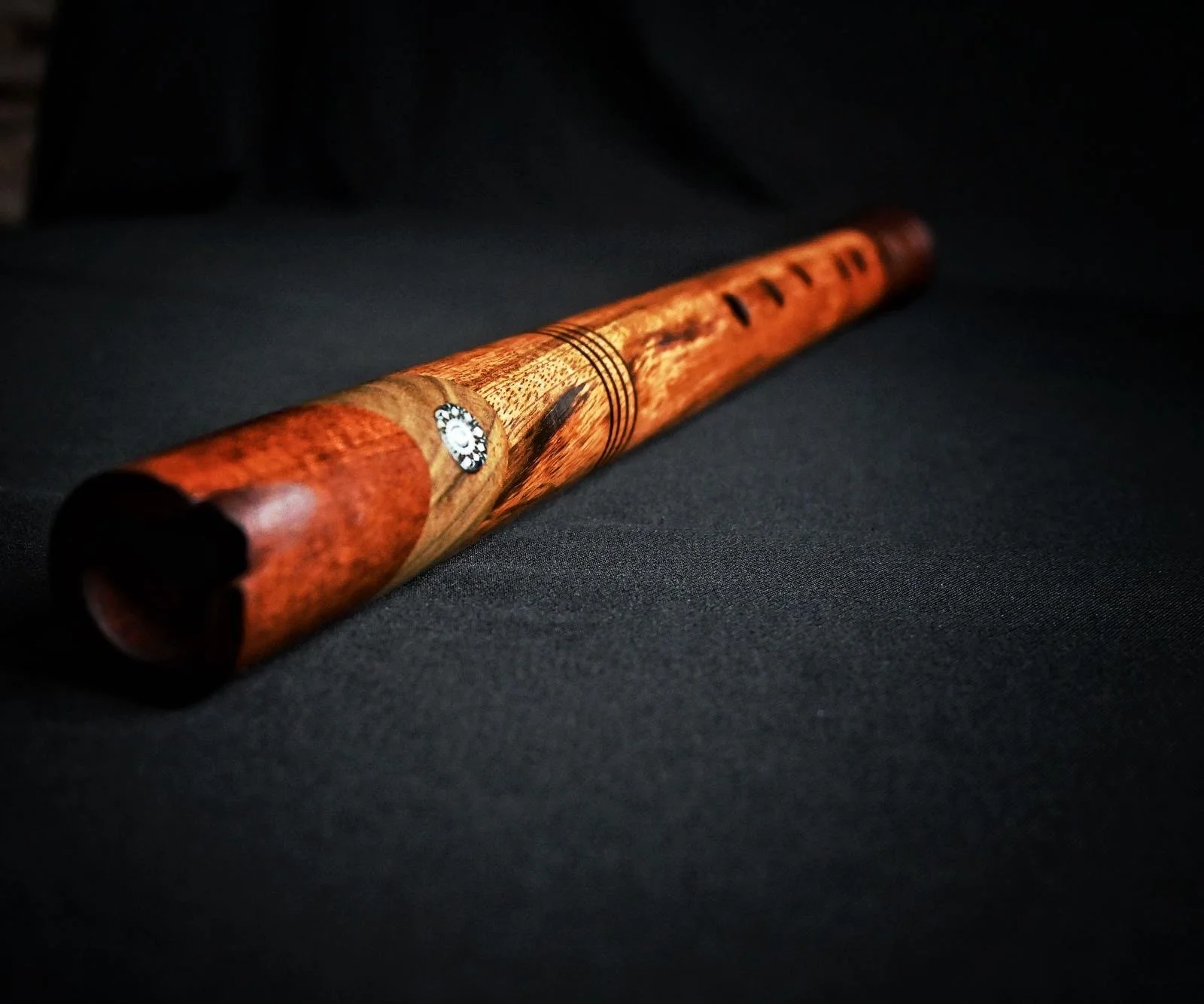 Image 5 of 5