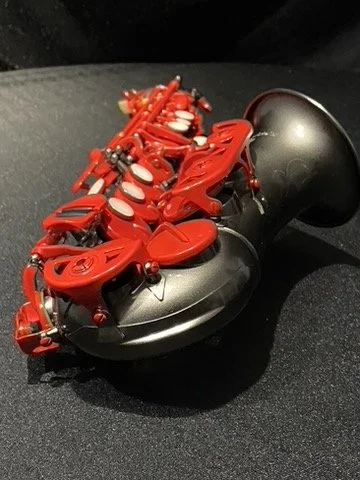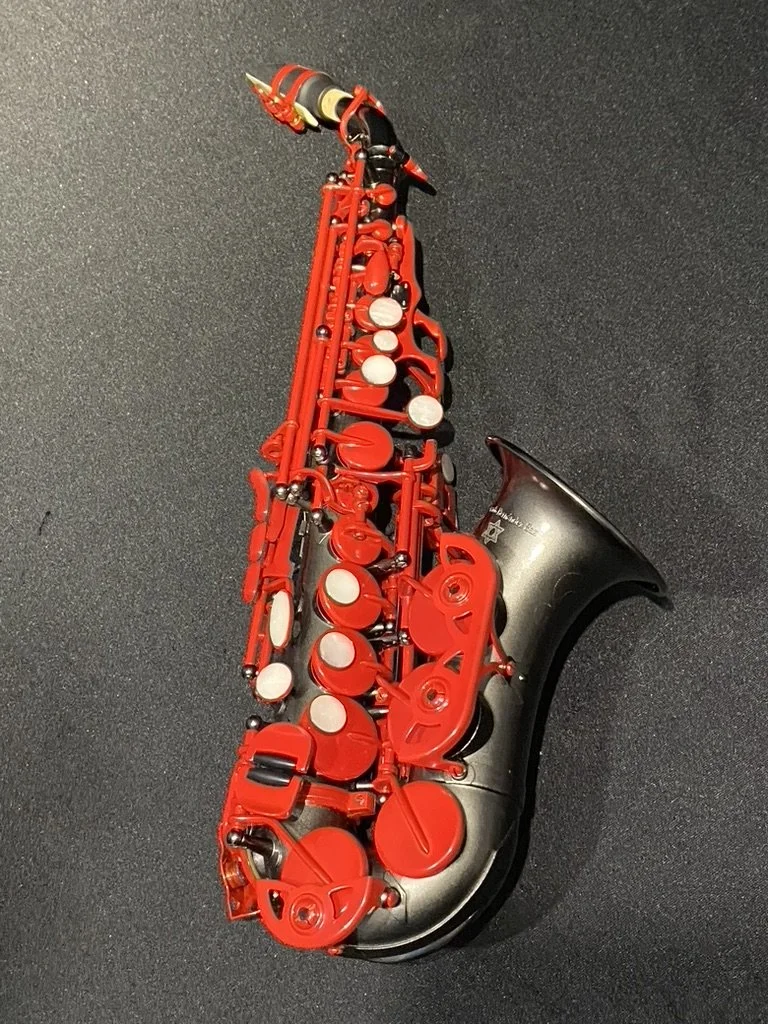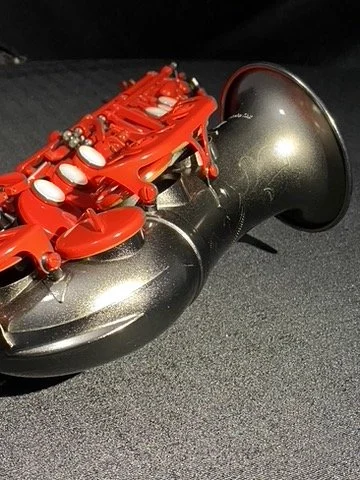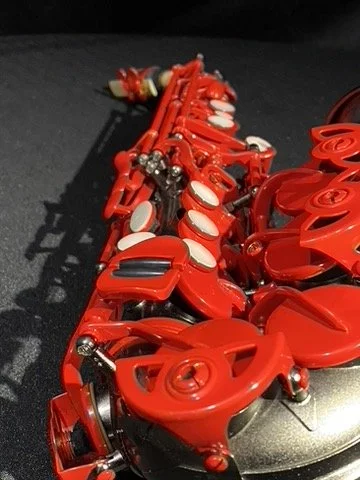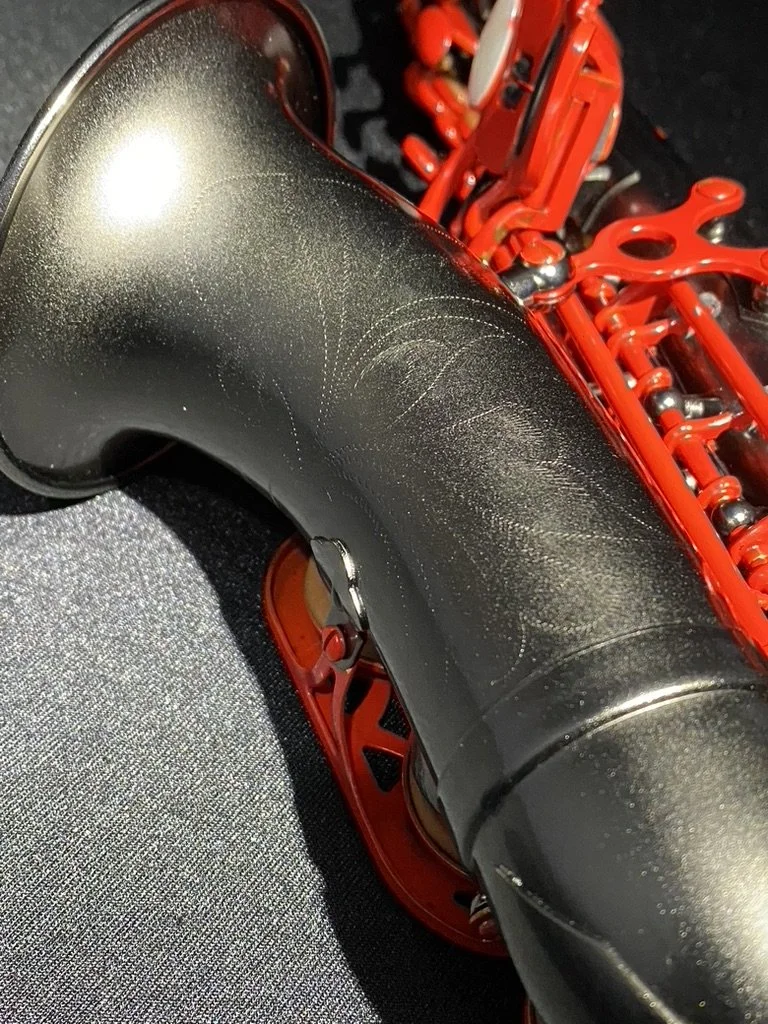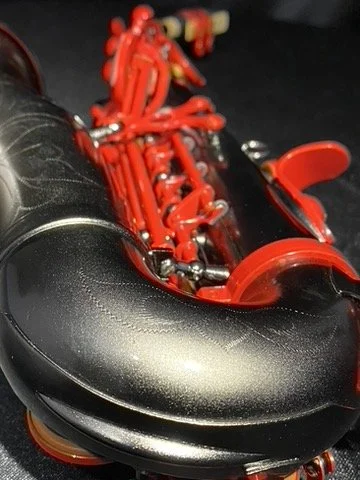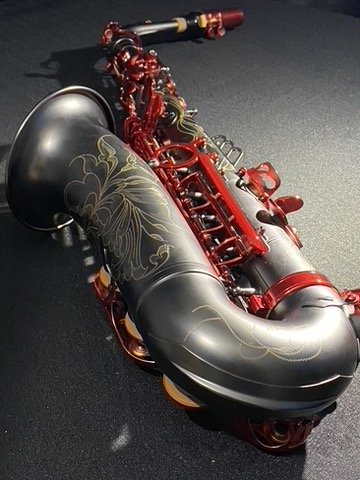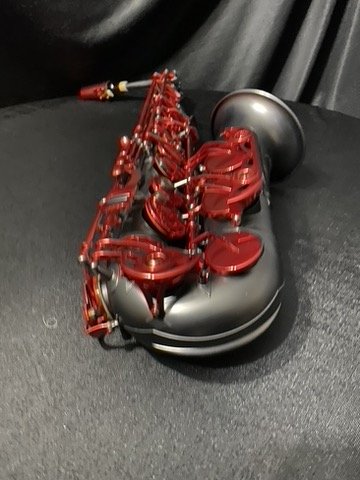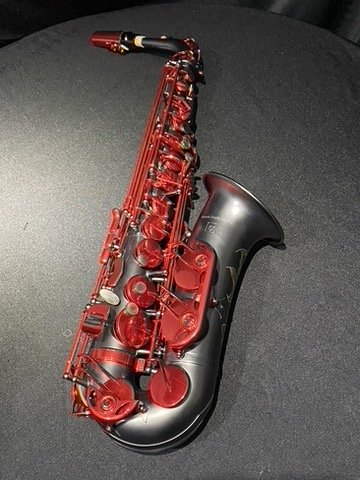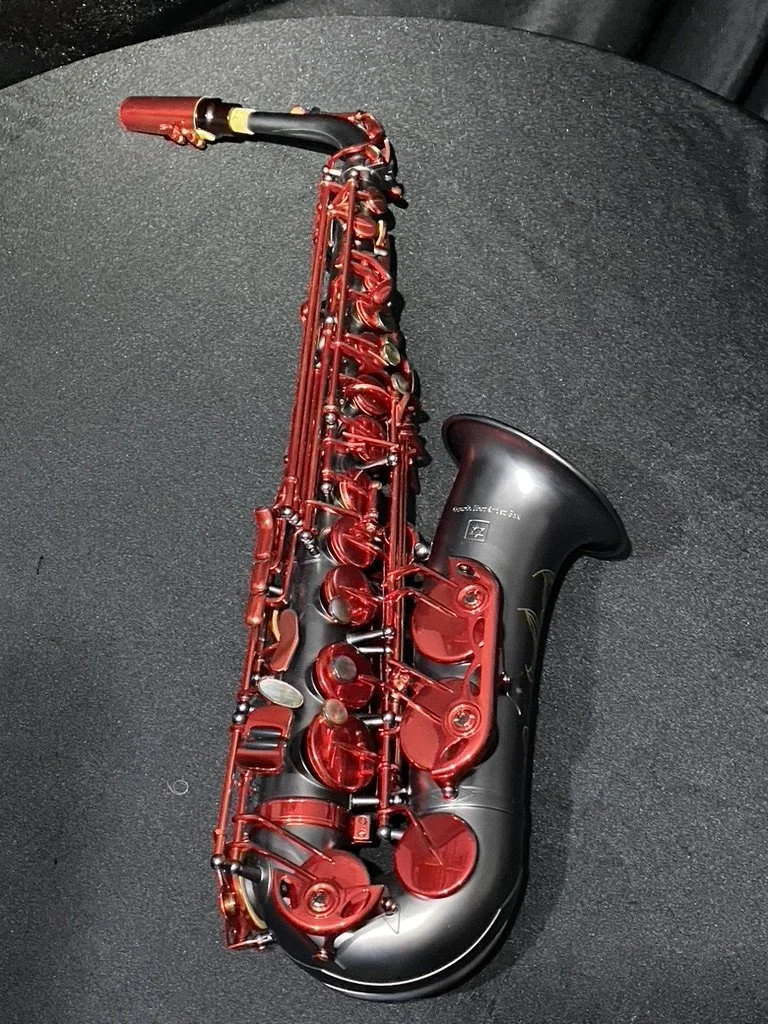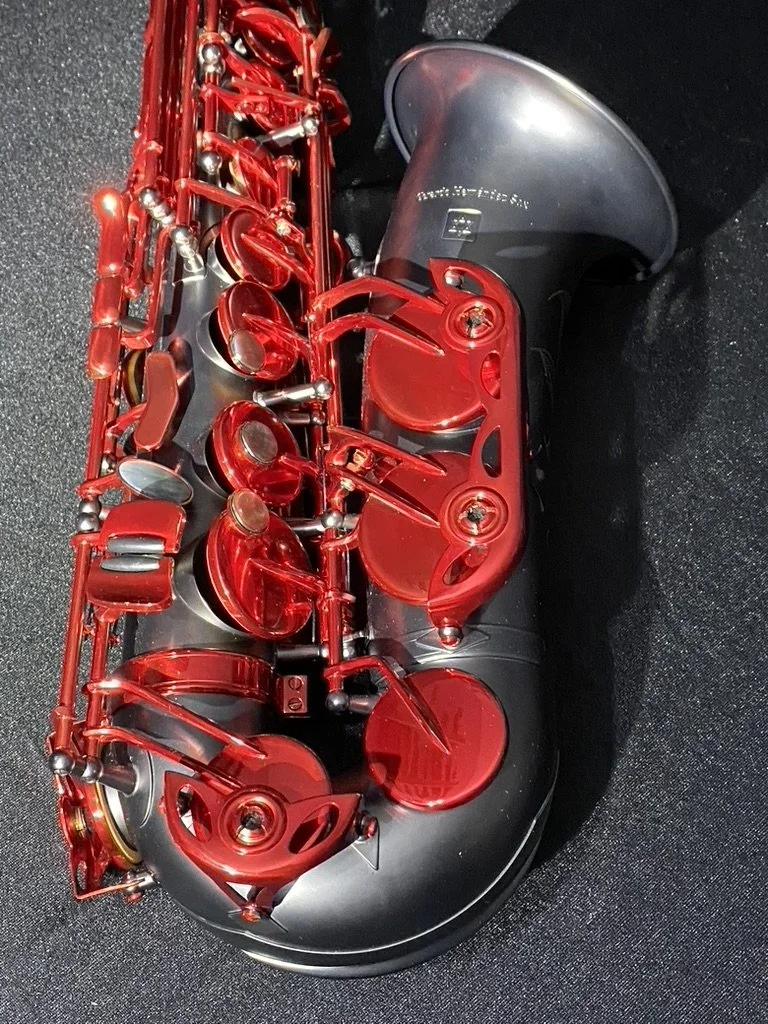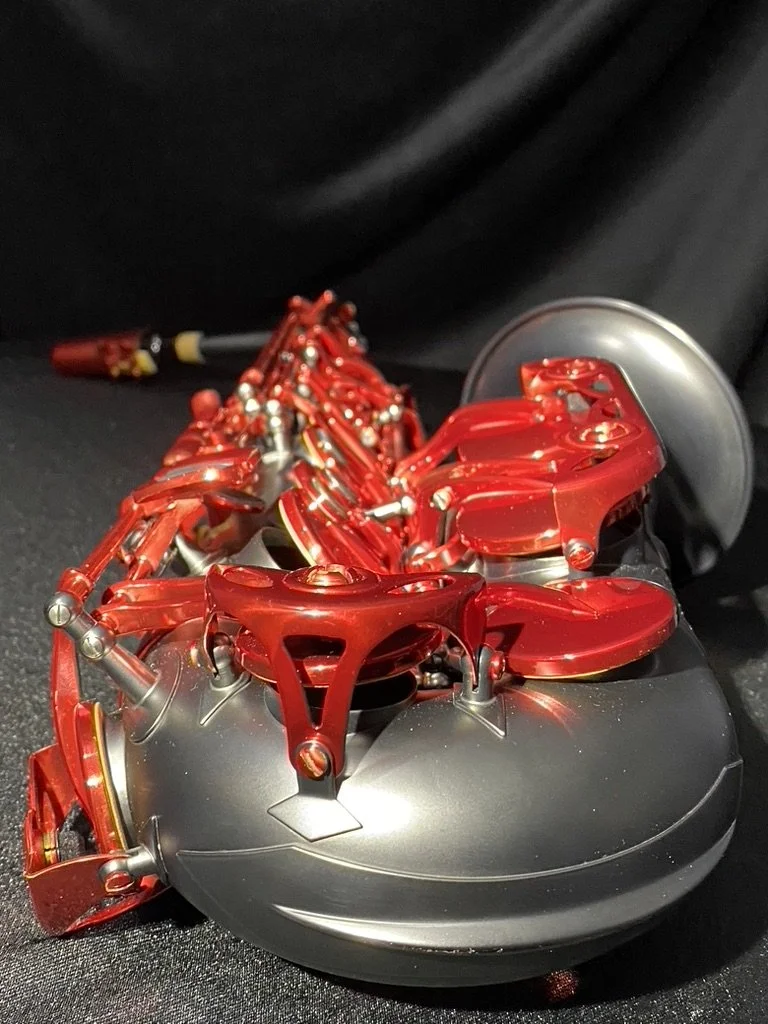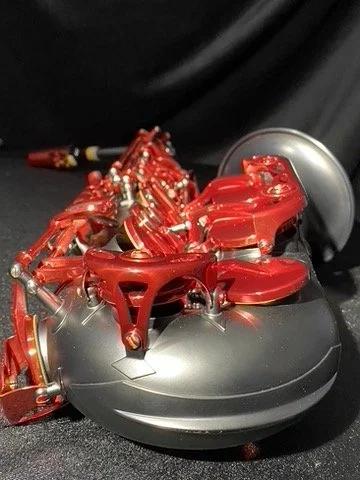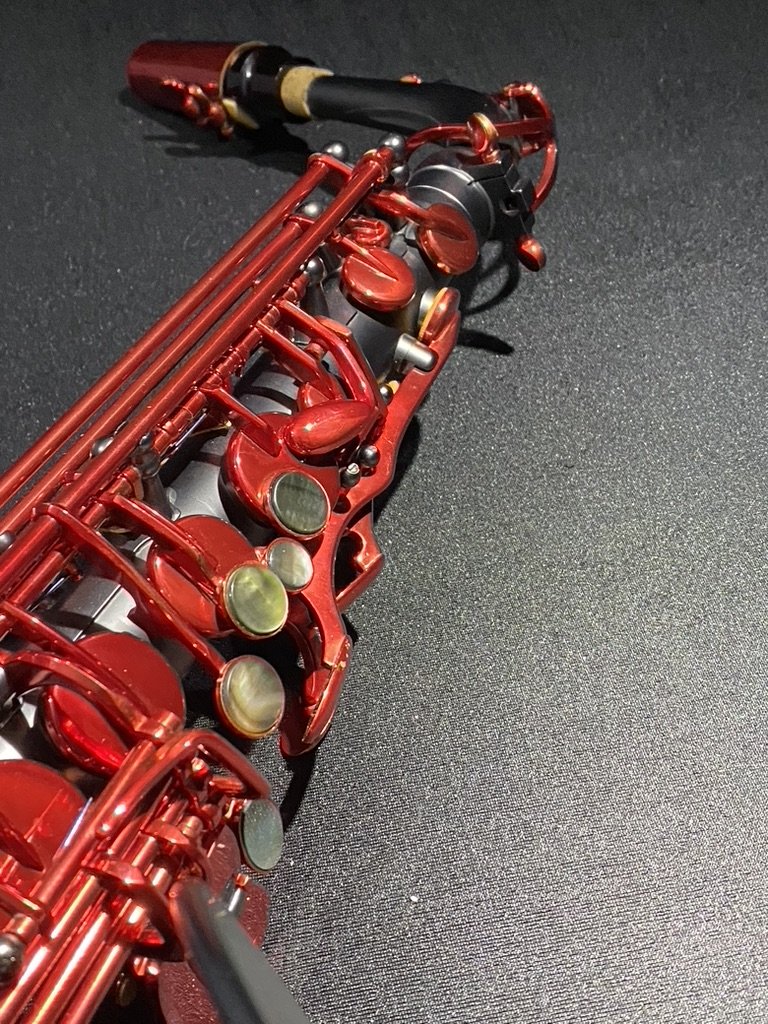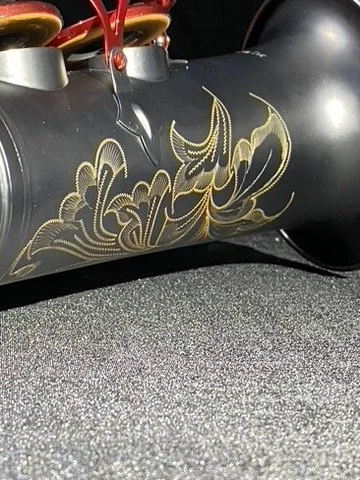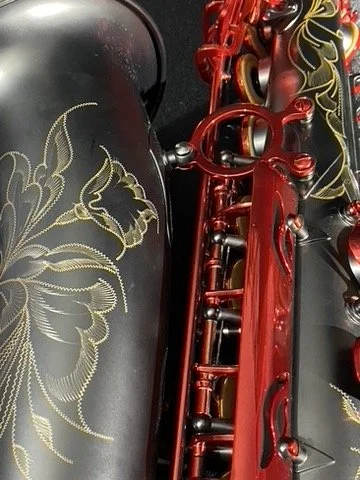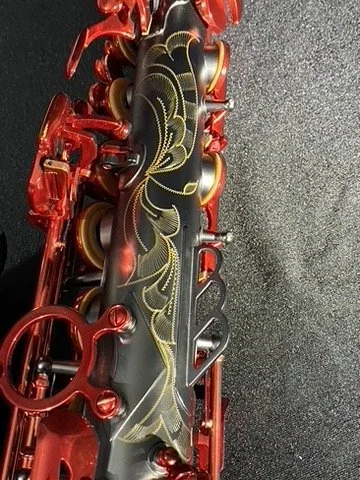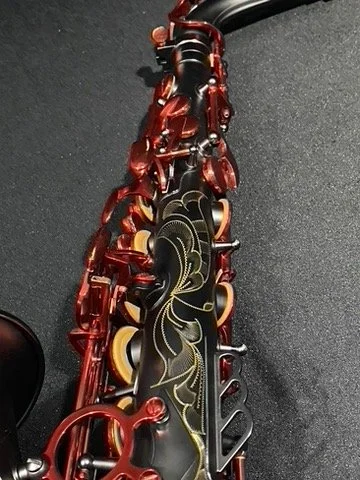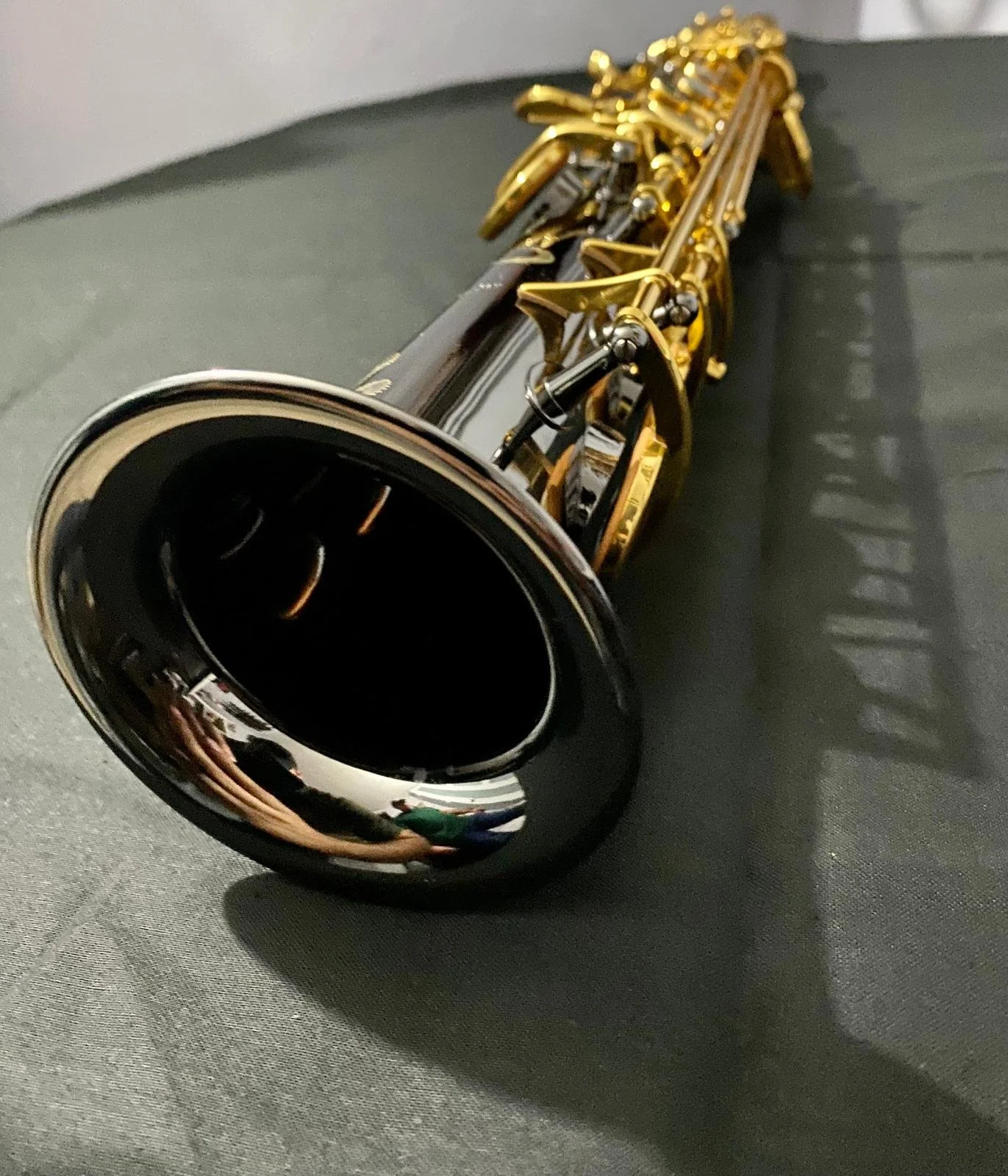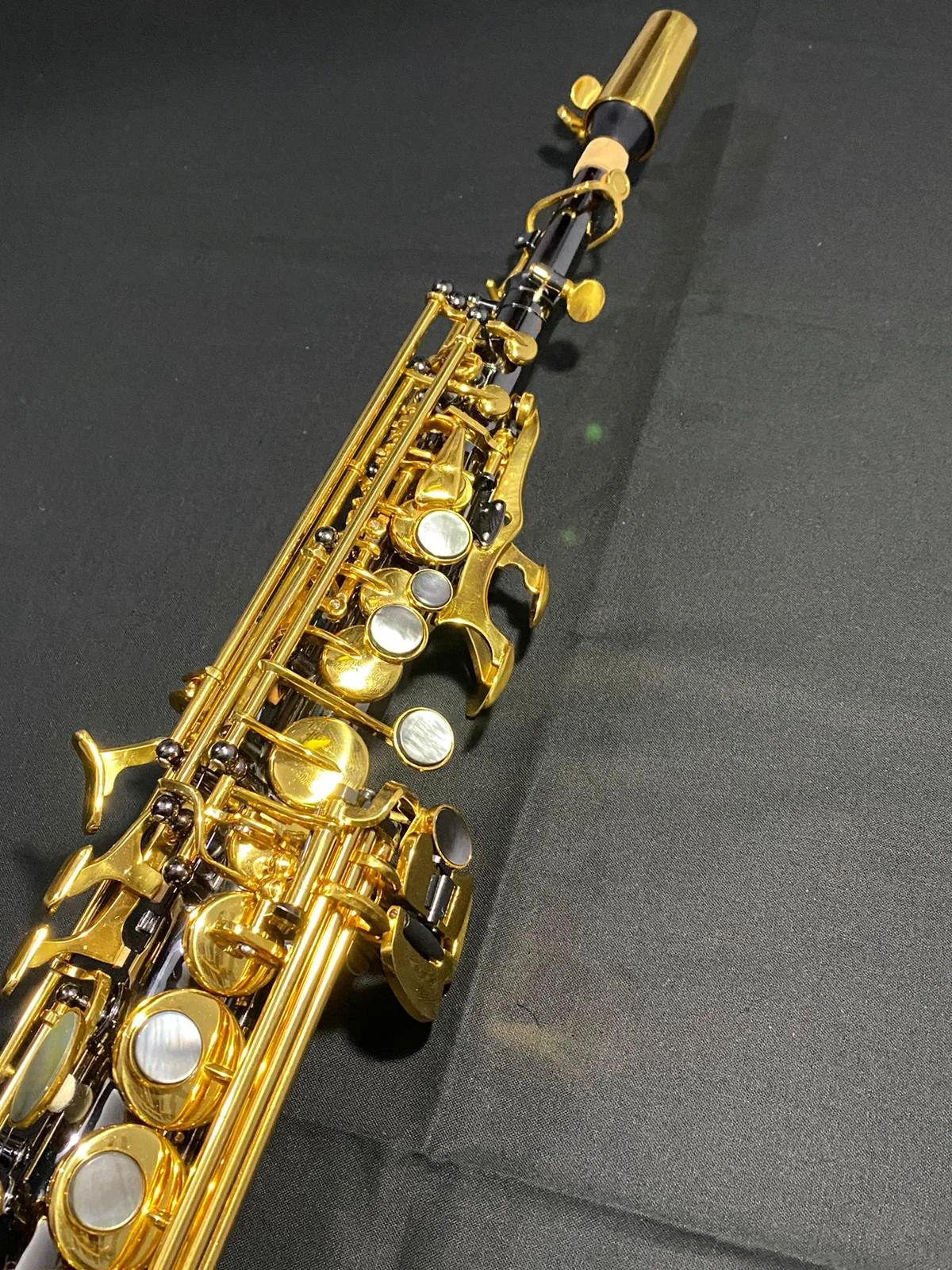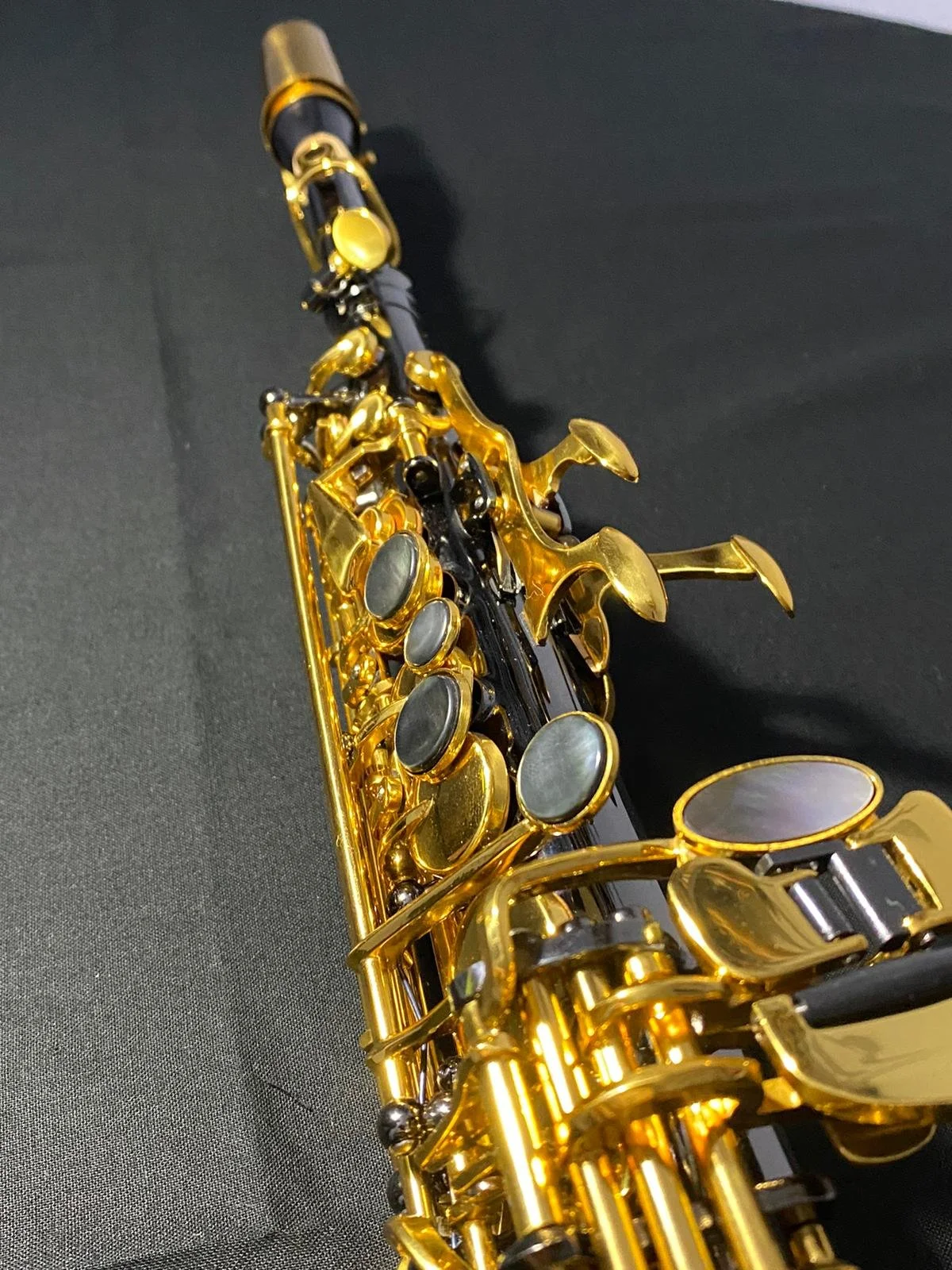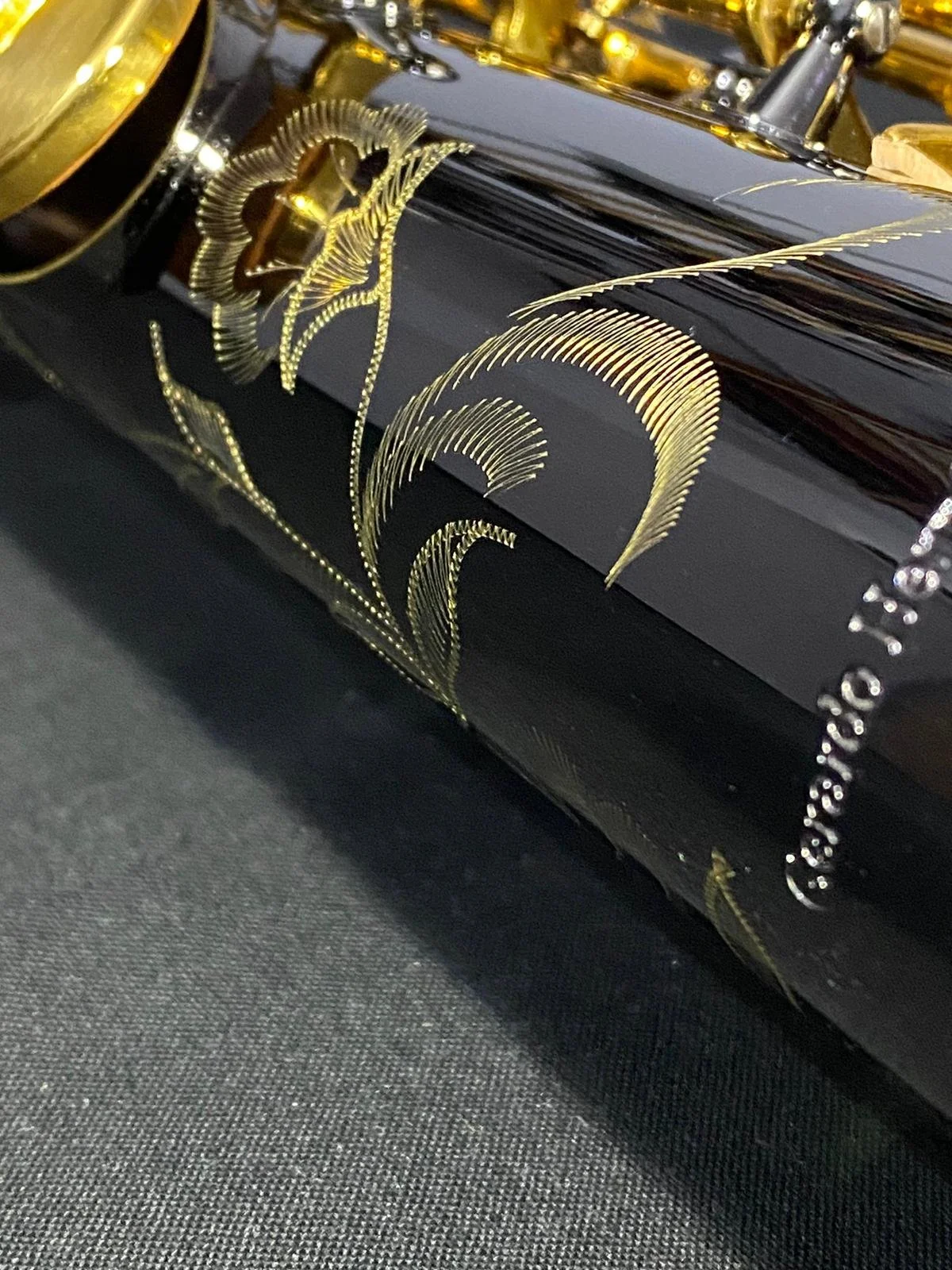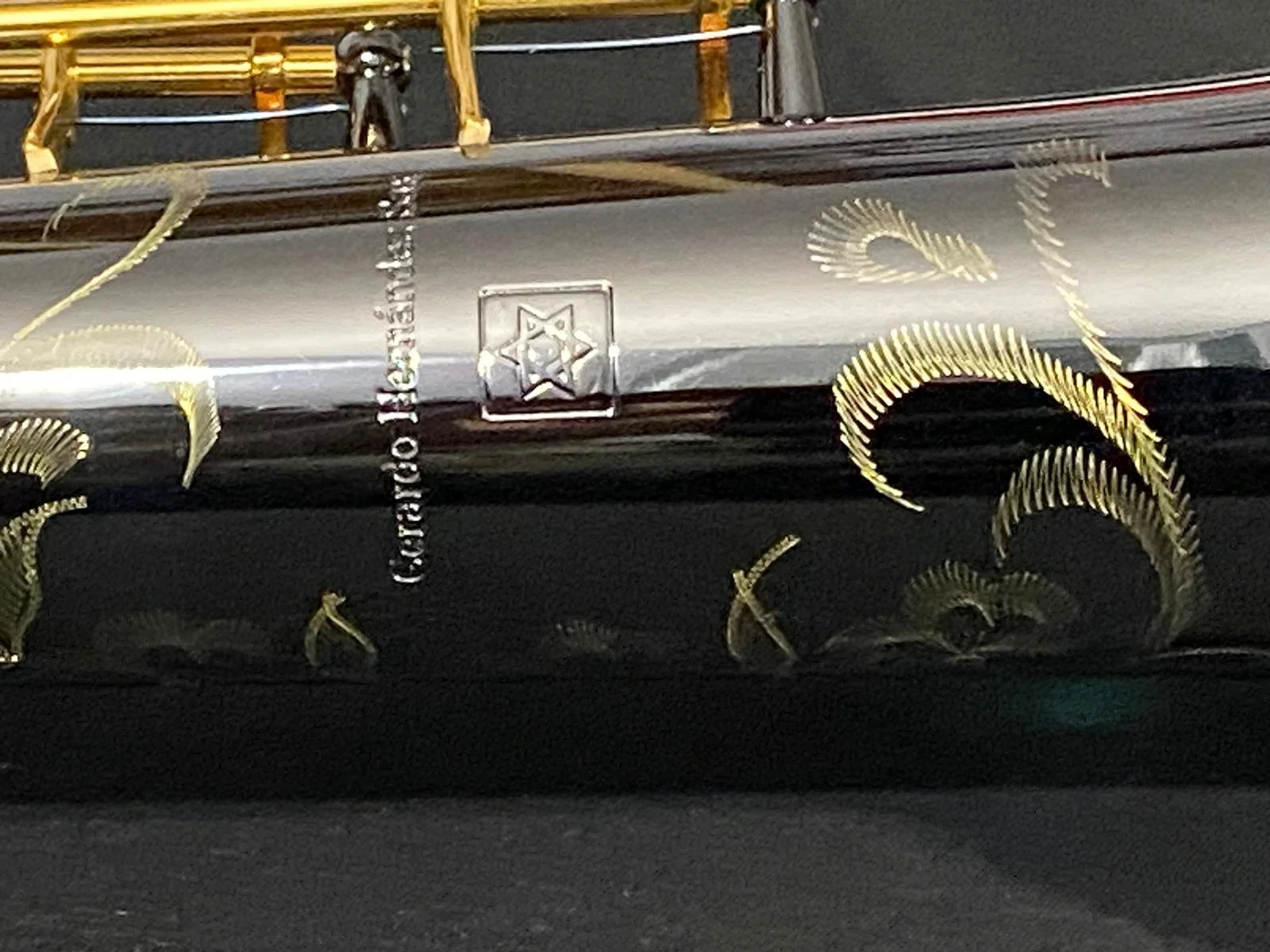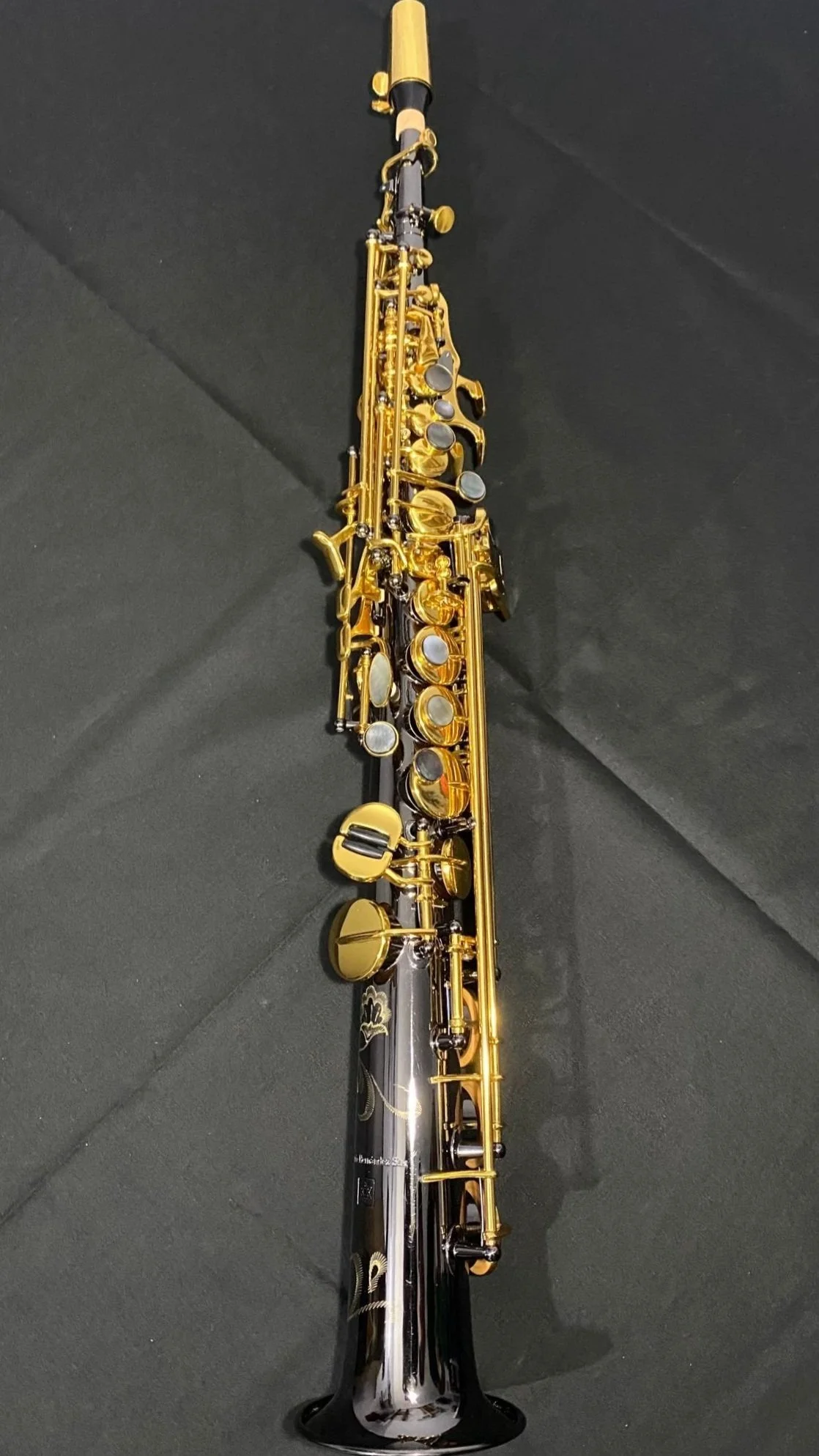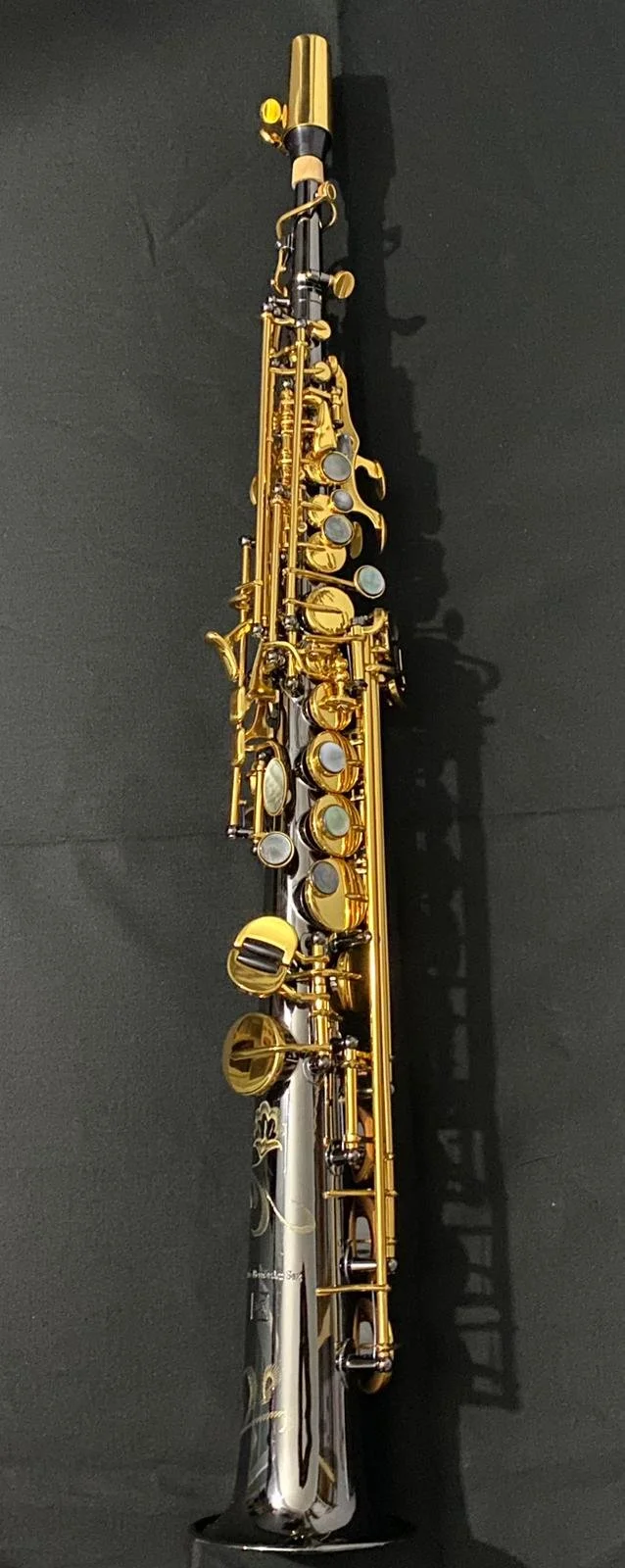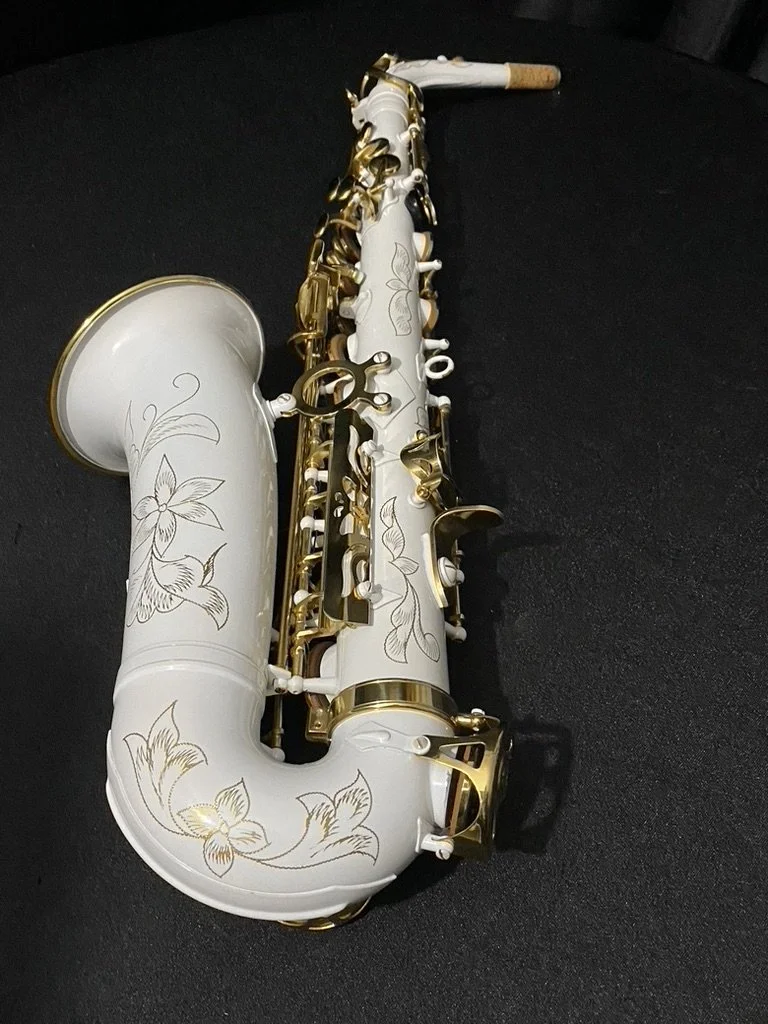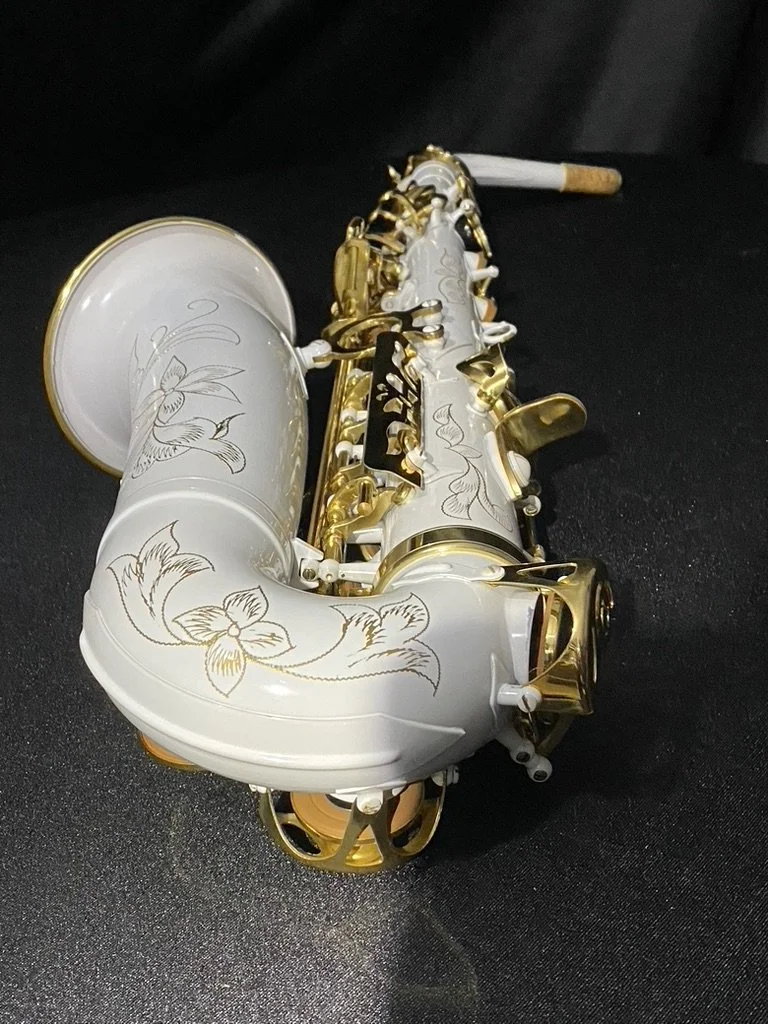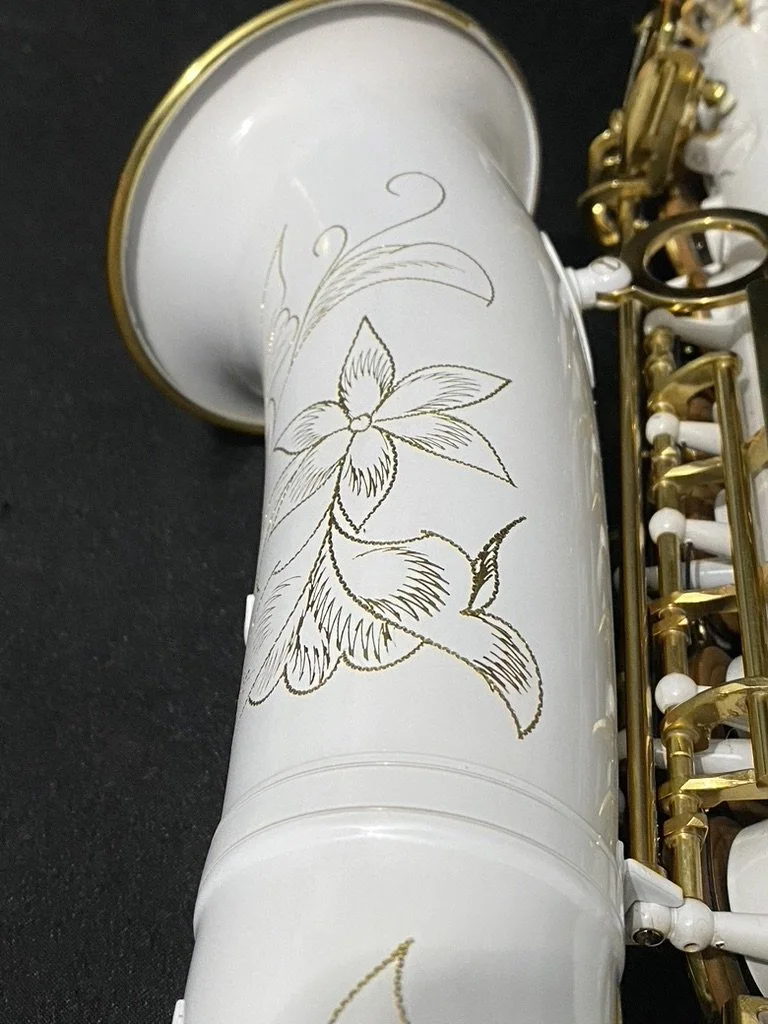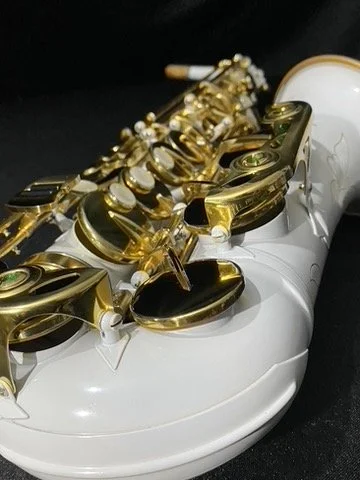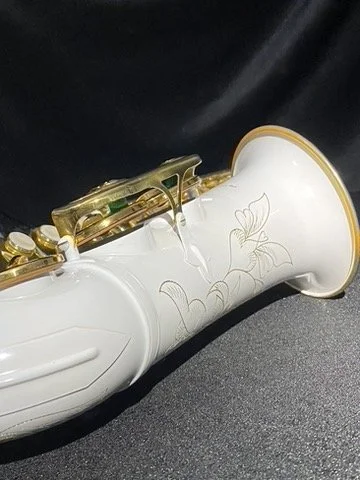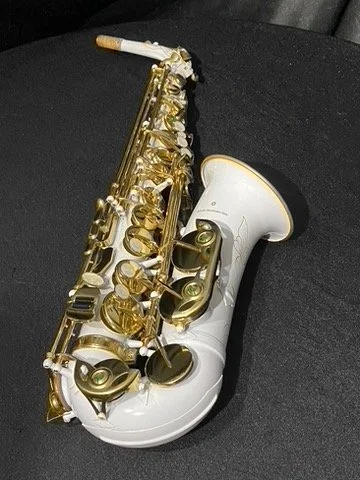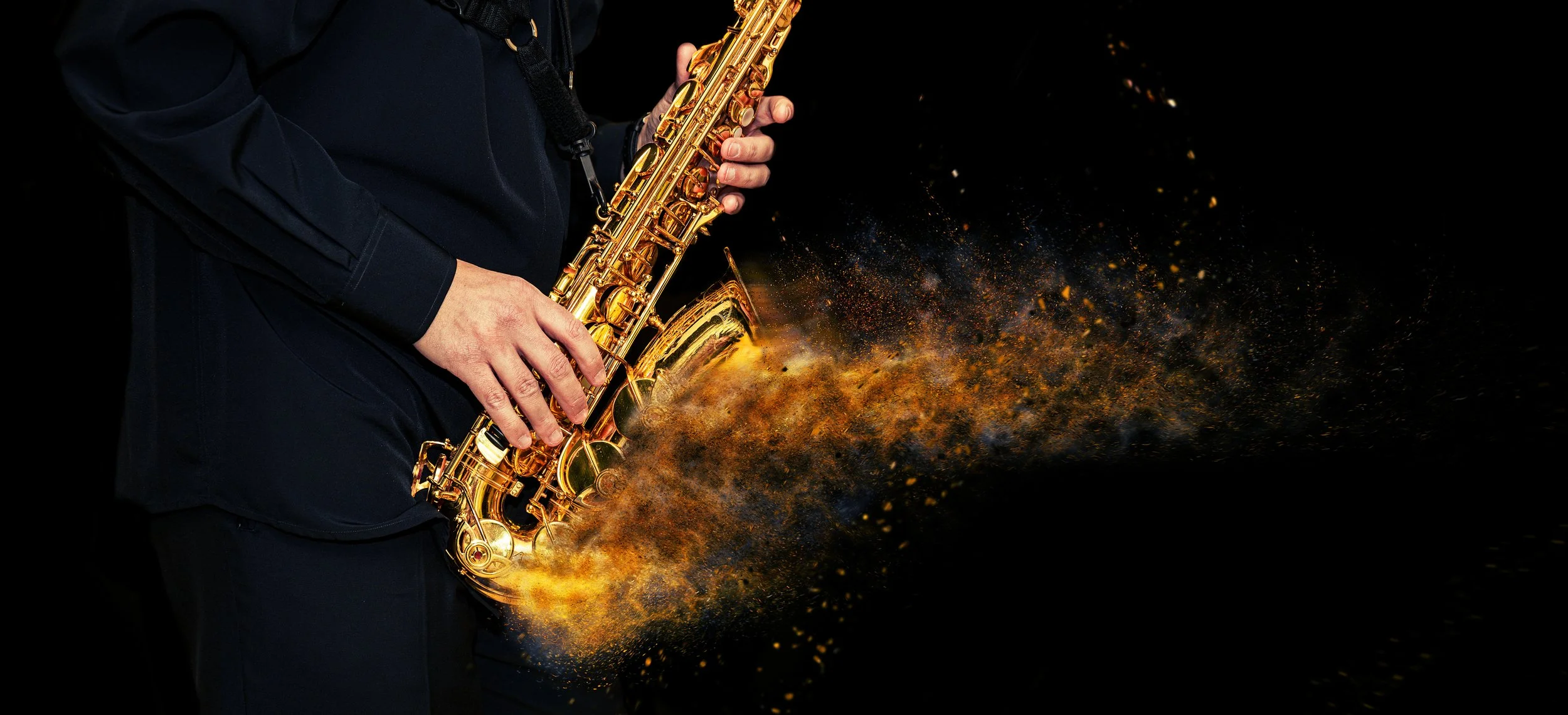
As soon as you tune in with Sefarad, the rest fades away.
Born in the mind of Belgian inventor Adolphe Sax in the 1840s and patented in Paris in 1846, the saxophone was a bold hybrid: a brass-bodied instrument with a single reed, meant to bridge the warmth of woodwinds and the power of brass for military bands. It soon slipped from parade grounds into concert halls—Debussy even penned a rhapsody for it—before finding its true second home in jazz, where voices like Coleman Hawkins, Charlie Parker, and John Coltrane turned its copper curves into conduits of improvisation and fire. By the mid-20th century the sax was everywhere—big bands, latin jazz, bebop basements, R&B stages, rock arenas, and school marching fields—its history a long exhale from invention to icon, forever reshaping the sound of modern music.