
 Image 1 of 2
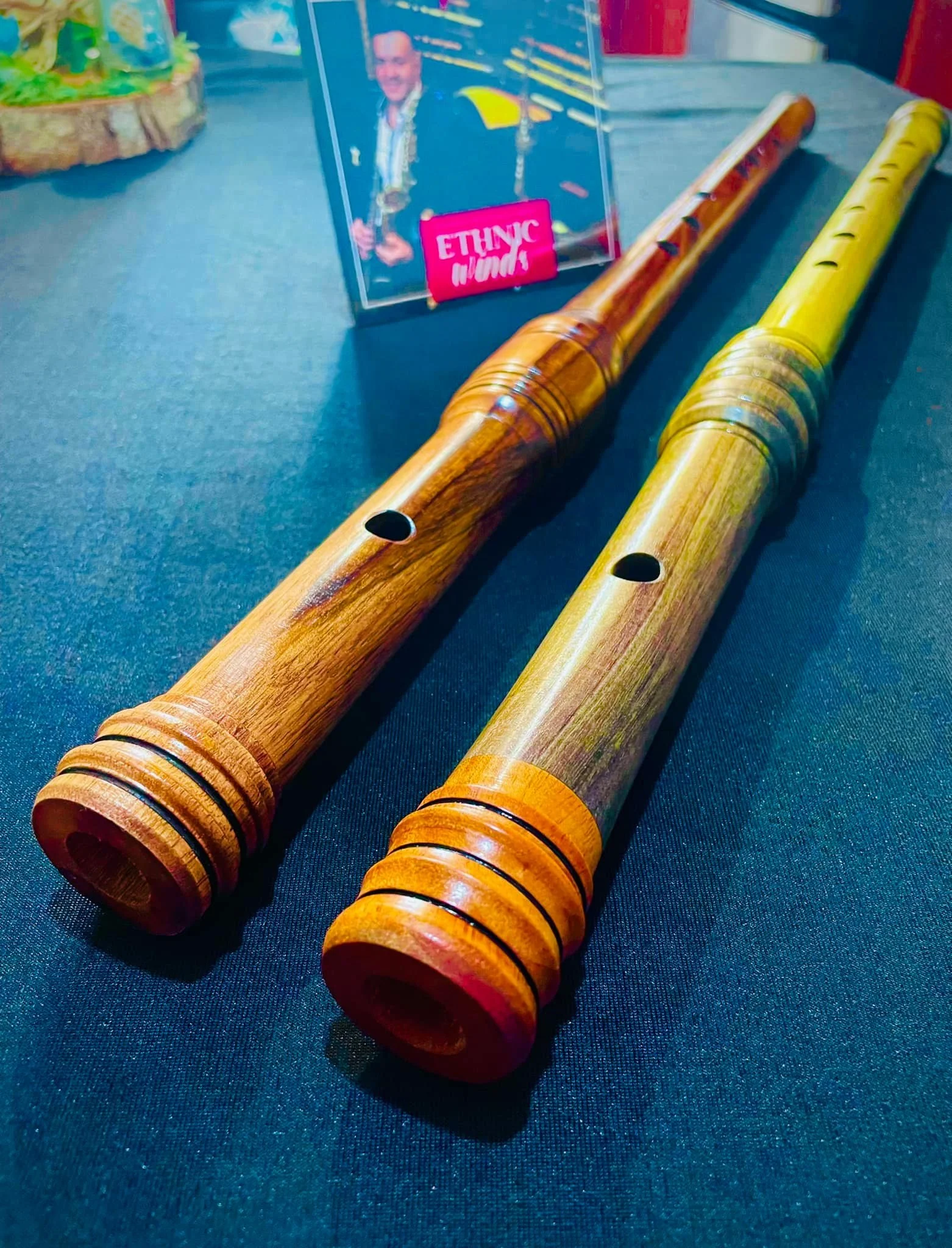 Image 2 of 2
Puerto Rican Flute
Puerto Rican Flute: A Fusion of Cultures in a Modern Wind Instrument
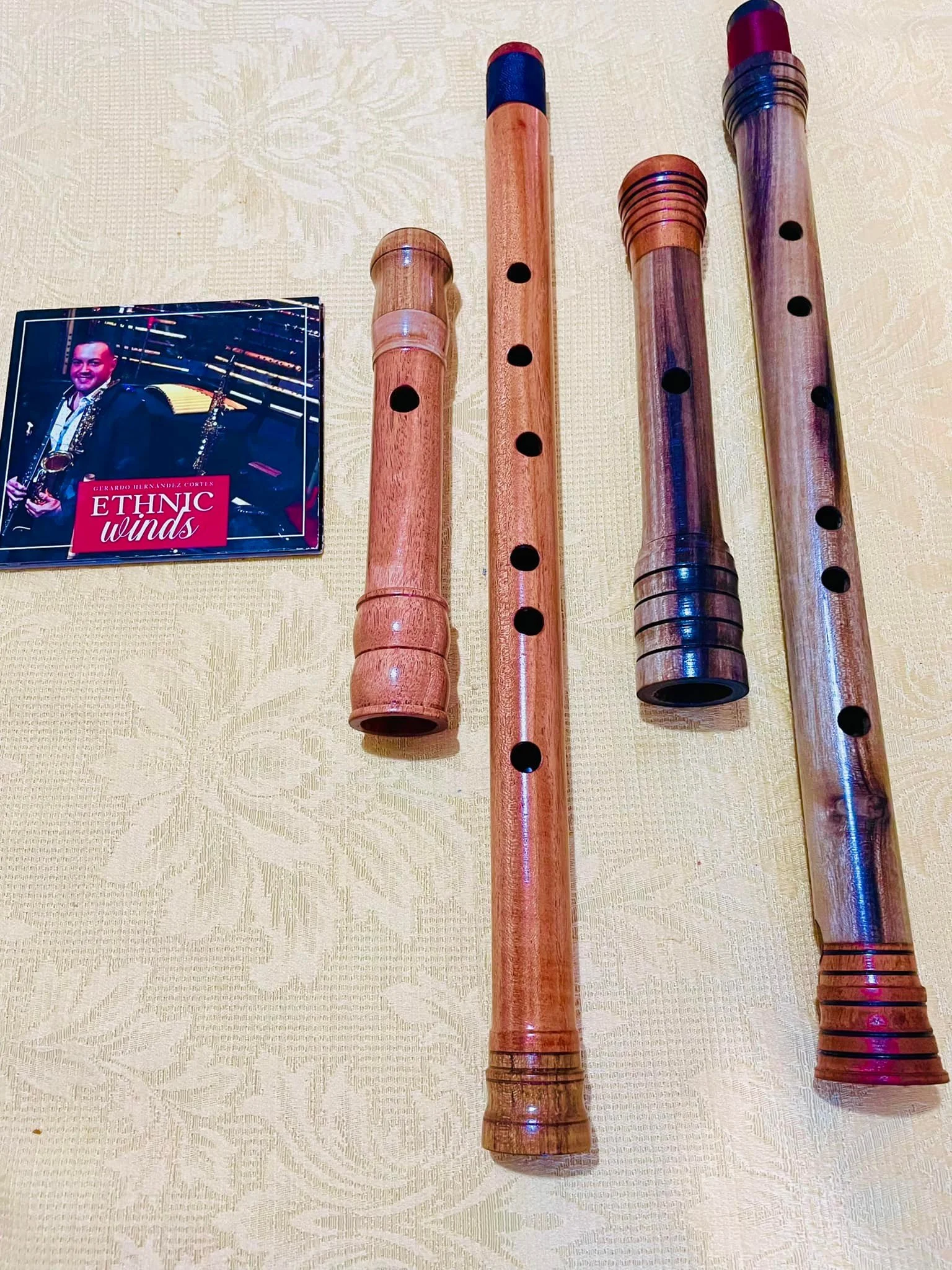
The Puerto Rican Flute is an instrument invented by musician Gerardo Hernández Cortés. It is a wind instrument crafted from the inspiration of various cultures that have influenced the Puerto Rican people. Among the influences, we have the French baroque flute since it has a very similar measurement in length and in the design of the mouthpiece. In the internal diameter and exit of the wind it has the influence of the Afghan flute tola. The position of the holes are similar to the Celtic flute but with the measurements of the diameter of the hole similar to the South American quena flute. The measurement of the width of the flute in the tube is similar to Fulani Tribe flutes, originating from areas such as Nigeria, Mali and Senegal.
Puerto Rico has a rich musical heritage, blending Spanish, Canaria, African, Indigenous tribes from South America, and other global influences. While Puerto Rican music is traditionally known for instruments like the cuatro, tiple, tiplon, bordonua, maracas, tres Puerto Riqueño, and barril de bomba the creation of this flute expands the range of wind instruments in Puerto Rican folk, classical, and contemporary music.
This flute’s design draws upon multiple flute traditions from around the world, making it a truly global instrument with a uniquely Puerto Rican identity:
• French Baroque Flute – The Puerto Rican Flute shares a similar length and mouthpiece design with the French Baroque flute.
• Afghan Tula Flute – The internal diameter and wind exit resemble those of the Afghan Tula flute, influencing the flute’s breath flow and tonal character.
• Celtic Flute – The position of the tone holes is based on the Celtic flute, offering a familiar finger placement for musicians used to traditional wooden flutes.
• South American Quena – The diameter of the finger holes is similar to that of the Quena flute, allowing for a strong, resonant sound with great expressive flexibility.
• Fulani Flute (West Africa) – The width of the tube mirrors that of flutes from the Fulani people of Nigeria, Mali, and Senegal, further enhancing the flute’s warm and organic tone.
• Pito Herreño - The crafting and turning of the wooden Puerto Rican flute has major influence from this Canarian instrument.
By blending elements from these different traditions, the Puerto Rican Flute stands as a cultural bridge, reflecting Puerto Rico’s diverse musical influences.
The Puerto Rican Flute’s tone is rich, warm, and expressive, making it suitable for folk melodies, classical compositions, and modern fusion genres.
• Lower register: Deep, resonant, and full-bodied, similar to the Afghan Tula and Fulani flutes.
• Middle register: Smooth, lyrical, and flowing, allowing for expressive phrasing, much like the French Baroque flute.
• Higher register: Clear and bright while maintaining warmth, offering an expressive range similar to the Celtic flute and Quena.
• The position of the tone holes allows for fluid ornamentation and dynamic range, making it adaptable to different musical styles.
• The flute can accommodate chromatic playability, allowing for complex melodies and microtonal ornamentation.
• Level of expertise required: Suitable for intermediate to advanced players, as mastering embouchure and fingering techniques requires practice.
The Puerto Rican Flute is a side-blown (transverse) flute, similar in playing style to Boehm flutes and traditional wooden flutes. It is handcrafted from high-quality wood or bamboo, ensuring a natural, resonant tone. Standard length is similar to the French Baroque flute, though variations may exist based on tuning preferences. It features a unique combination of tone hole placements, influenced by Celtic and Quena flutes, while keeping the finger holes large for better sound projection. Some variations may include engraved decorations or symbolic artwork, reflecting Puerto Rican craftsmanship and artistic heritage.
What makes the Puerto Rican Flute Unique?
A Cultural Fusion – Inspired by French, Afghan, Celtic, South American, and West African flute traditions, making it a global instrument with a Puerto Rican soul.
Expressive and Versatile Sound – Suitable for folk, classical, jazz, and fusion music, offering a wide dynamic range.
Natural, Handmade Craftsmanship – Built from carefully selected wood or bamboo, ensuring a warm and resonant tone.
Innovative Design – Combines varied flute traditions into a single instrument, creating a unique playing experience.
Perfect for Professional and Folk Musicians – Offers rich tone, responsive dynamics, and ergonomic playability, making it a great instrument for both tradition and modern music.
The Puerto Rican Flute is a new addition to the woodwind world and would make a great addition to musicians seeking a soulful sound.
Puerto Rican Flute: A Fusion of Cultures in a Modern Wind Instrument
The Puerto Rican Flute is an instrument invented by musician Gerardo Hernández Cortés. It is a wind instrument crafted from the inspiration of various cultures that have influenced the Puerto Rican people. Among the influences, we have the French baroque flute since it has a very similar measurement in length and in the design of the mouthpiece. In the internal diameter and exit of the wind it has the influence of the Afghan flute tola. The position of the holes are similar to the Celtic flute but with the measurements of the diameter of the hole similar to the South American quena flute. The measurement of the width of the flute in the tube is similar to Fulani Tribe flutes, originating from areas such as Nigeria, Mali and Senegal.
Puerto Rico has a rich musical heritage, blending Spanish, Canaria, African, Indigenous tribes from South America, and other global influences. While Puerto Rican music is traditionally known for instruments like the cuatro, tiple, tiplon, bordonua, maracas, tres Puerto Riqueño, and barril de bomba the creation of this flute expands the range of wind instruments in Puerto Rican folk, classical, and contemporary music.
This flute’s design draws upon multiple flute traditions from around the world, making it a truly global instrument with a uniquely Puerto Rican identity:
• French Baroque Flute – The Puerto Rican Flute shares a similar length and mouthpiece design with the French Baroque flute.
• Afghan Tula Flute – The internal diameter and wind exit resemble those of the Afghan Tula flute, influencing the flute’s breath flow and tonal character.
• Celtic Flute – The position of the tone holes is based on the Celtic flute, offering a familiar finger placement for musicians used to traditional wooden flutes.
• South American Quena – The diameter of the finger holes is similar to that of the Quena flute, allowing for a strong, resonant sound with great expressive flexibility.
• Fulani Flute (West Africa) – The width of the tube mirrors that of flutes from the Fulani people of Nigeria, Mali, and Senegal, further enhancing the flute’s warm and organic tone.
• Pito Herreño - The crafting and turning of the wooden Puerto Rican flute has major influence from this Canarian instrument.
By blending elements from these different traditions, the Puerto Rican Flute stands as a cultural bridge, reflecting Puerto Rico’s diverse musical influences.
The Puerto Rican Flute’s tone is rich, warm, and expressive, making it suitable for folk melodies, classical compositions, and modern fusion genres.
• Lower register: Deep, resonant, and full-bodied, similar to the Afghan Tula and Fulani flutes.
• Middle register: Smooth, lyrical, and flowing, allowing for expressive phrasing, much like the French Baroque flute.
• Higher register: Clear and bright while maintaining warmth, offering an expressive range similar to the Celtic flute and Quena.
• The position of the tone holes allows for fluid ornamentation and dynamic range, making it adaptable to different musical styles.
• The flute can accommodate chromatic playability, allowing for complex melodies and microtonal ornamentation.
• Level of expertise required: Suitable for intermediate to advanced players, as mastering embouchure and fingering techniques requires practice.
The Puerto Rican Flute is a side-blown (transverse) flute, similar in playing style to Boehm flutes and traditional wooden flutes. It is handcrafted from high-quality wood or bamboo, ensuring a natural, resonant tone. Standard length is similar to the French Baroque flute, though variations may exist based on tuning preferences. It features a unique combination of tone hole placements, influenced by Celtic and Quena flutes, while keeping the finger holes large for better sound projection. Some variations may include engraved decorations or symbolic artwork, reflecting Puerto Rican craftsmanship and artistic heritage.
What makes the Puerto Rican Flute Unique?
A Cultural Fusion – Inspired by French, Afghan, Celtic, South American, and West African flute traditions, making it a global instrument with a Puerto Rican soul.
Expressive and Versatile Sound – Suitable for folk, classical, jazz, and fusion music, offering a wide dynamic range.
Natural, Handmade Craftsmanship – Built from carefully selected wood or bamboo, ensuring a warm and resonant tone.
Innovative Design – Combines varied flute traditions into a single instrument, creating a unique playing experience.
Perfect for Professional and Folk Musicians – Offers rich tone, responsive dynamics, and ergonomic playability, making it a great instrument for both tradition and modern music.
The Puerto Rican Flute is a new addition to the woodwind world and would make a great addition to musicians seeking a soulful sound.