
 Image 1 of 5
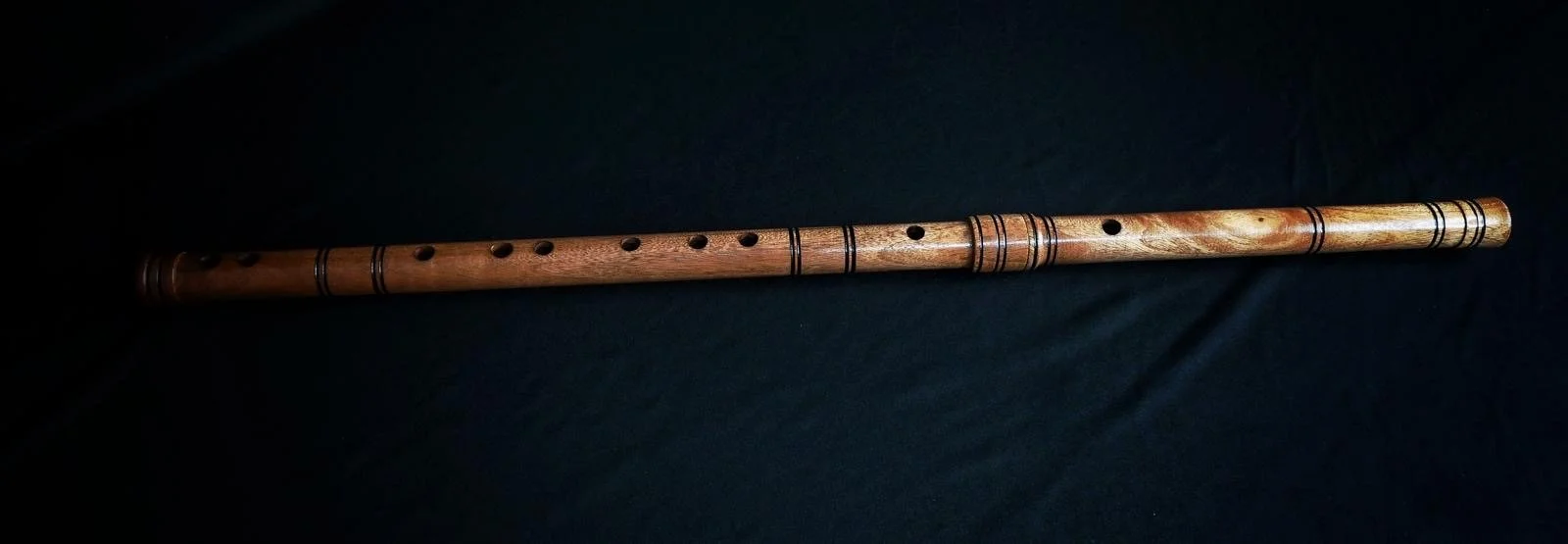 Image 2 of 5
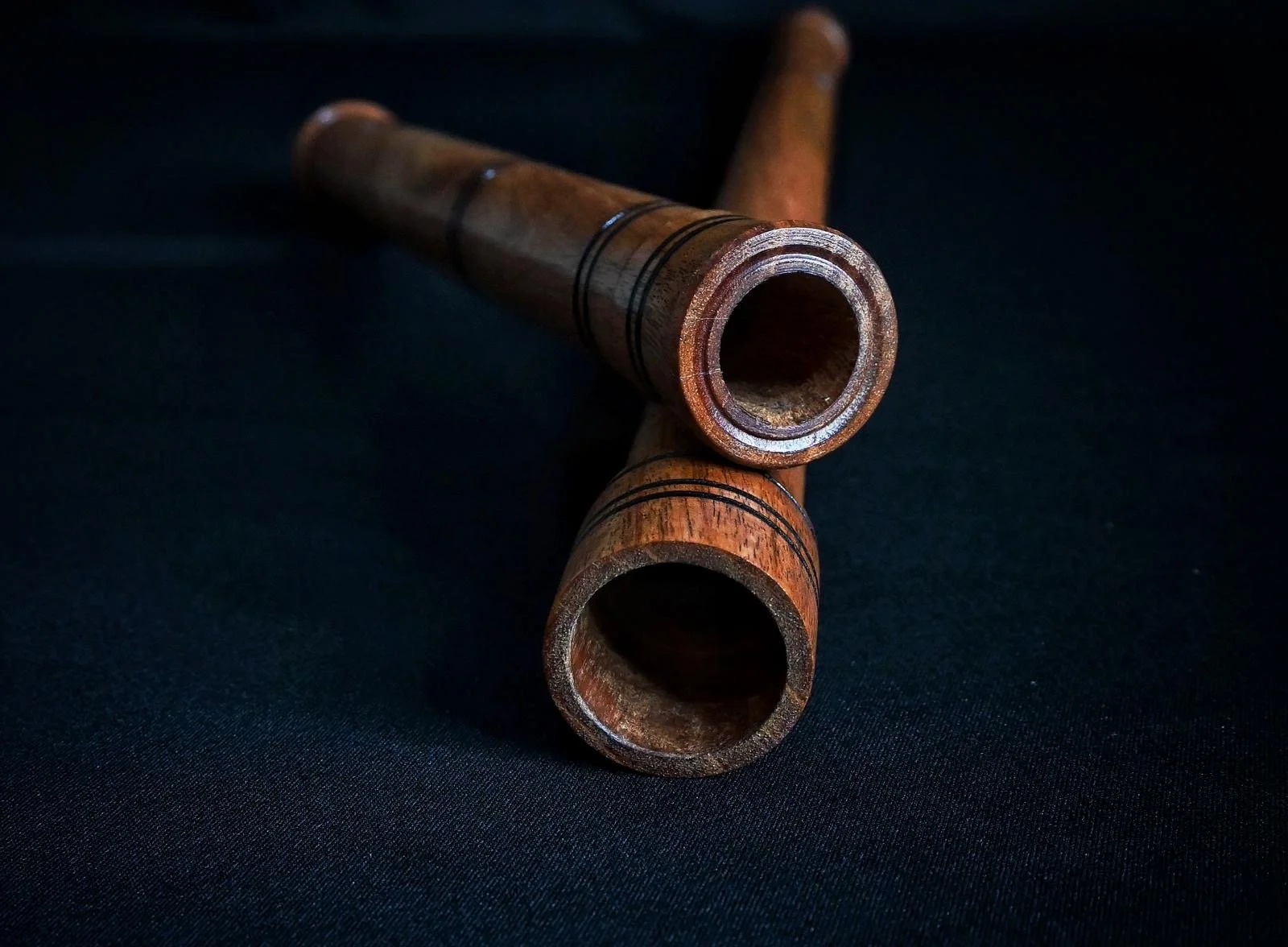 Image 3 of 5
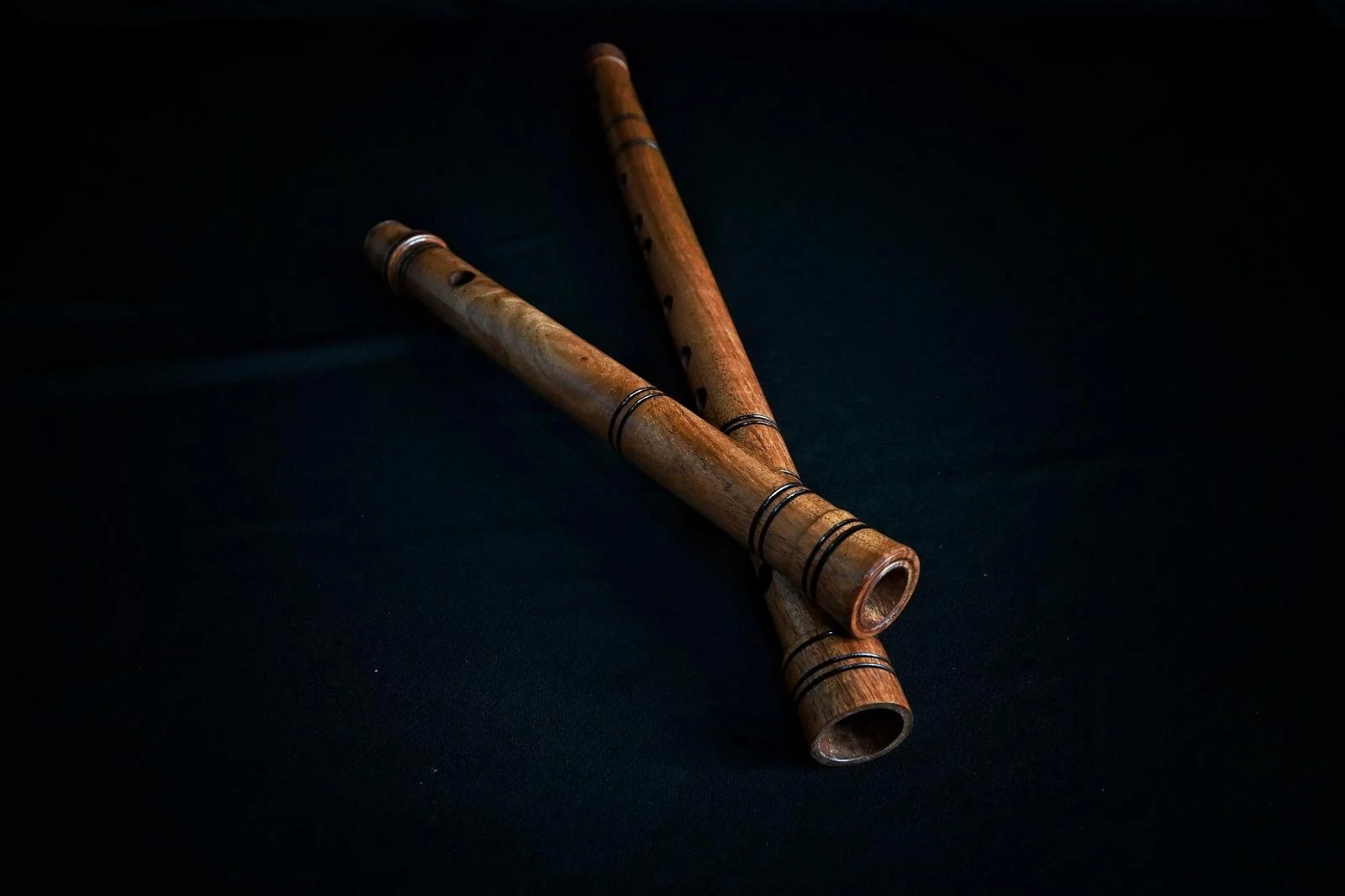 Image 4 of 5
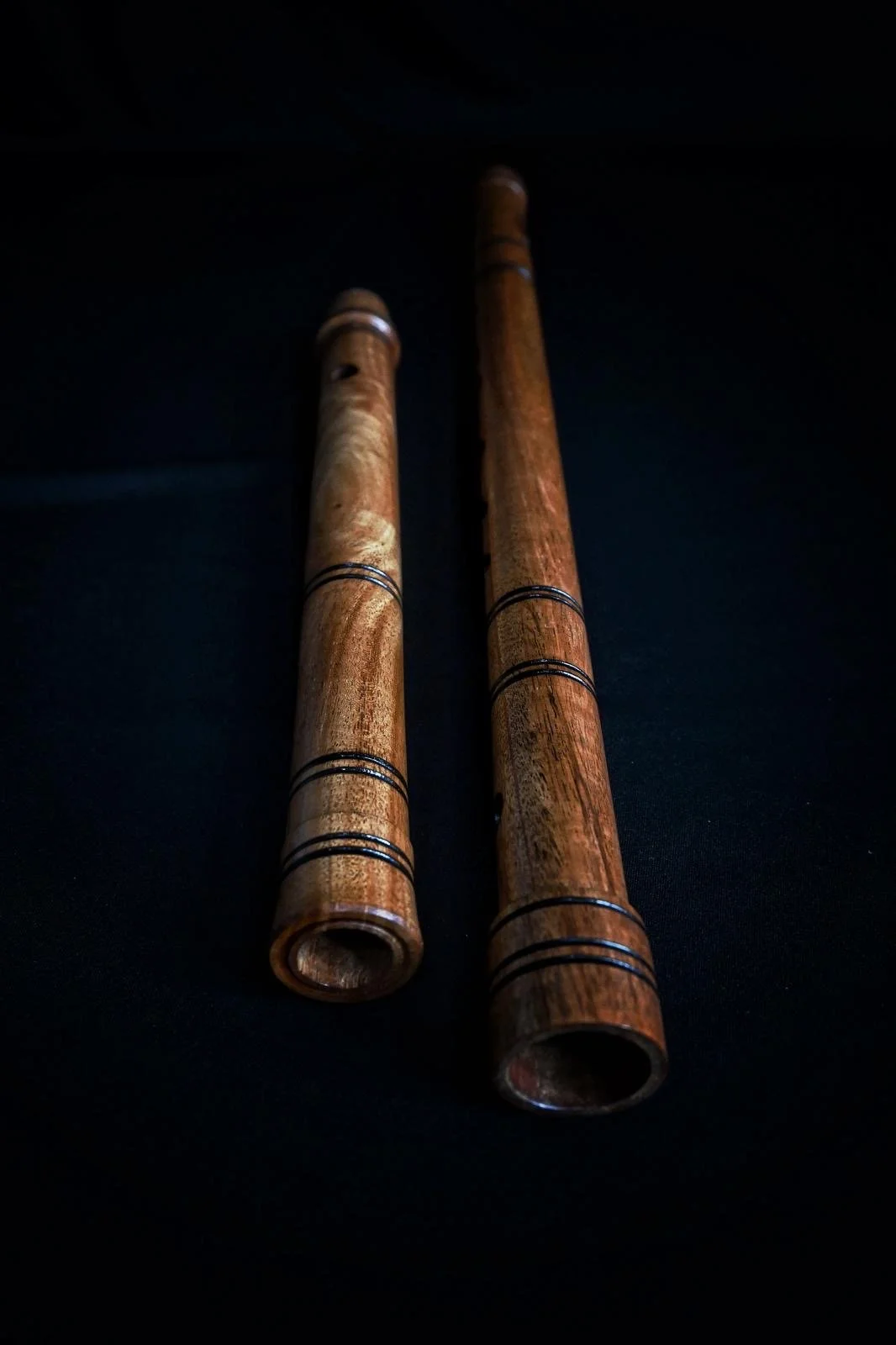 Image 5 of 5
A Melodic Gateway to Eastern Traditions
History and Cultural Significance
The Oriental Flute is a broad term that refers to various traditional flutes found across Middle Eastern, Indian, and East Asian cultures. While there is no single instrument called the “Oriental Flute,” some of the most well-known Eastern flutes include:
• Ney (Middle East, Turkey, Persia) – An ancient end-blown flute used in Sufi music, classical Ottoman compositions, and Persian music.
• Dizi (China) – A transverse bamboo flute with a membrane (dimo) that gives it a bright, reedy tone.
• Shakuhachi (Japan) – A deep, meditative bamboo flute used in Zen Buddhist practices and traditional Japanese music.
• Bansuri (India) – A side-blown bamboo flute, deeply expressive and common in Indian classical music, associated with the Hindu god Krishna.
All these flutes share a rich cultural heritage, with histories stretching back thousands of years. They have been used in religious ceremonies, folk traditions, and classical compositions, and today they are popular in world music and film scores.
Tone and Sound
The sound of an Oriental Flute depends on the specific type, but generally, they share these characteristics:
• Warm, breathy, and expressive tones with a natural resonance.
• A rich dynamic range, allowing for subtle whispers and powerful, projected notes.
• The ability to bend pitches and play microtones, making them highly expressive compared to Western flutes.
• Some flutes, like the Dizi, have a buzzy, bright tone, while others, like the Shakuhachi, have a deep, airy, and almost meditative sound.
• The Ney and Bansuri produce a smooth, flowing sound, perfect for melodic improvisation and emotional expression.
These flutes are ideal for spiritual, meditative, folk, and classical music, but they are also used in modern fusion and electronic music.
Physical Appearance and Construction
• Most Oriental flutes are made from bamboo, which provides a lightweight yet resonant material.
• The flutes may have six to seven finger holes (plus a thumb hole in some cases).
• The shape varies:
• End-blown flutes (e.g., Ney, Shakuhachi) require special embouchure control to direct airflow correctly.
• Side-blown (transverse) flutes (e.g., Bansuri, Dizi) are played similarly to a Western flute but with different fingering systems.
• Some, like the Dizi, have a thin membrane over one hole, adding a unique buzzing resonance.
• Traditional craftsmanship often includes intricate carvings, engravings, or decorative bindings to enhance aesthetic and cultural value.
Why is the Oriental Flute Unique?
1. Cultural Depth – Used in spiritual, classical, and folk traditions for centuries.
2. Expressive and Emotional Sound – Capable of producing microtones and ornamentations not found in Western flutes.
3. Diverse Types and Tonal Qualities – From the buzzy Dizi to the deep Shakuhachi, Oriental flutes offer a variety of timbres.
4. Natural Construction – Usually made from bamboo, handcrafted for rich resonance and warmth.
5. Versatile in Modern Music – Used in film scores, ambient, and world fusion genres, making it appealing to a wide range of musicians.
The Oriental Flute is an essential instrument for musicians looking to explore Eastern musical traditions. With its soulful tone, natural resonance, and rich cultural heritage, it remains one of the most expressive wind instruments in the world.
A Melodic Gateway to Eastern Traditions
History and Cultural Significance
The Oriental Flute is a broad term that refers to various traditional flutes found across Middle Eastern, Indian, and East Asian cultures. While there is no single instrument called the “Oriental Flute,” some of the most well-known Eastern flutes include:
• Ney (Middle East, Turkey, Persia) – An ancient end-blown flute used in Sufi music, classical Ottoman compositions, and Persian music.
• Dizi (China) – A transverse bamboo flute with a membrane (dimo) that gives it a bright, reedy tone.
• Shakuhachi (Japan) – A deep, meditative bamboo flute used in Zen Buddhist practices and traditional Japanese music.
• Bansuri (India) – A side-blown bamboo flute, deeply expressive and common in Indian classical music, associated with the Hindu god Krishna.
All these flutes share a rich cultural heritage, with histories stretching back thousands of years. They have been used in religious ceremonies, folk traditions, and classical compositions, and today they are popular in world music and film scores.
Tone and Sound
The sound of an Oriental Flute depends on the specific type, but generally, they share these characteristics:
• Warm, breathy, and expressive tones with a natural resonance.
• A rich dynamic range, allowing for subtle whispers and powerful, projected notes.
• The ability to bend pitches and play microtones, making them highly expressive compared to Western flutes.
• Some flutes, like the Dizi, have a buzzy, bright tone, while others, like the Shakuhachi, have a deep, airy, and almost meditative sound.
• The Ney and Bansuri produce a smooth, flowing sound, perfect for melodic improvisation and emotional expression.
These flutes are ideal for spiritual, meditative, folk, and classical music, but they are also used in modern fusion and electronic music.
Physical Appearance and Construction
• Most Oriental flutes are made from bamboo, which provides a lightweight yet resonant material.
• The flutes may have six to seven finger holes (plus a thumb hole in some cases).
• The shape varies:
• End-blown flutes (e.g., Ney, Shakuhachi) require special embouchure control to direct airflow correctly.
• Side-blown (transverse) flutes (e.g., Bansuri, Dizi) are played similarly to a Western flute but with different fingering systems.
• Some, like the Dizi, have a thin membrane over one hole, adding a unique buzzing resonance.
• Traditional craftsmanship often includes intricate carvings, engravings, or decorative bindings to enhance aesthetic and cultural value.
Why is the Oriental Flute Unique?
1. Cultural Depth – Used in spiritual, classical, and folk traditions for centuries.
2. Expressive and Emotional Sound – Capable of producing microtones and ornamentations not found in Western flutes.
3. Diverse Types and Tonal Qualities – From the buzzy Dizi to the deep Shakuhachi, Oriental flutes offer a variety of timbres.
4. Natural Construction – Usually made from bamboo, handcrafted for rich resonance and warmth.
5. Versatile in Modern Music – Used in film scores, ambient, and world fusion genres, making it appealing to a wide range of musicians.
The Oriental Flute is an essential instrument for musicians looking to explore Eastern musical traditions. With its soulful tone, natural resonance, and rich cultural heritage, it remains one of the most expressive wind instruments in the world.